Home Blog Page 6

10 Essential Fitness Tips for Lean Guys to Build Muscle and Strength

0

The Fitness Guide for Skinny Guys: Tips to Build Muscle and Boost Confidence

When it comes to fitness, the journey can be uniquely challenging for skinny guys. Unlike those trying to shed pounds, they may grapple with the frustration of gaining muscle and achieving a more toned physique. Yet, the importance of fitness spans beyond mere aesthetics; it’s a monumental step toward healthier living and self-improvement. So, what’s the way forward? Let’s dive deep into effective fitness strategies tailor-made for skinny men who yearn to bulk up and enhance their overall well-being.

Why Fitness Matters for Skinny Guys

It might seem counterintuitive, but getting fit is crucial even (or especially) for those on the slimmer side. Research shows that being physically active helps reduce the risk of health issues later in life, such as heart disease and diabetes. Moreover, fitness can drastically elevate energy levels and improve self-esteem. I remember a time when a friend of mine was so skinny he often felt overshadowed. He started lifting weights and reported feeling more energetic and confident, completely transforming his outlook.

However, the journey isn’t without hurdles. Many skinny guys face unique challenges, from lack of visible progress to motivational dips. But here’s the good news: with the right strategies, anyone can overcome these obstacles. Let’s break down some actionable fitness tips designed to help skinny guys build muscle and develop a lasting commitment to their fitness journey.

1. Start by Lifting Weights

If you want to pack on muscle mass, weight lifting is your best friend. Engaging in resistance training stimulates muscle growth and increases your overall strength. It’s your ticket to gaining that hard-earned muscle. The beauty of weight lifting lies in its dual role; it not only helps you bulk up but also accelerates your metabolism — a win-win!

For skinny guys, it’s essential to focus on strength training, especially since lower body fat levels can yield a well-defined, ripped look once gains are achieved. So grab those dumbbells or hit the gym; this is where the journey begins.

2. Fuel Up with a Balanced Diet

Here’s a common misconception: skinny folks can slack on their diet. Wrong! Eating a well-balanced diet is crucial for everyone, but especially for those looking to bulk up. Focus on incorporating plenty of protein and carbohydrates into your meals.

Protein is key for muscle repair and growth. Think lean meats, beans, and legumes. Carbohydrates, on the other hand, provide the energy needed for workouts and recovery. When you’re lifting, your body thrives on the fuel from good carbs — the energy that allows you to push harder during those last intense reps.

3. Hydration is Key

Water plays a critical role in your fitness journey. Staying hydrated ensures that your energy levels remain high, which enhances endurance during workouts. It’s easy to forget to drink enough water, but it can make a big difference in your performance. A neighbor once told me she felt sluggish during workouts until she committed to drinking more water. The result? A noticeable boost in energy and focus!

On the flip side, skinny guys should be cautious with processed foods. These often provide empty calories and lack the nutrients essential for recovery and muscle growth. Opt for whole, nutrient-dense foods that nourish your body.

4. Prioritize Sleep

Many of us underestimate the value of a good night’s sleep. During your slumber, your body performs vital repairs, building muscle tissue and recovering from the day’s exertions. If you’re serious about gains, aim for a minimum of eight hours of sleep each night. You’ll be amazed at how restorative sleep can impact your energy levels and workout effectiveness.

5. Take Baby Steps

As excited as you might be to jump into the world of fitness, pacing is crucial. If you’re a newbie, starting too aggressively can lead to injuries. Begin with lighter weights and basic exercises, then gradually raise the intensity and duration. Think of it as building a house: you wouldn’t lay the roof before the foundation, right? Listen to your body, and celebrate small wins along the way.

6. Compound Exercises are Your Best Bet

Compound exercises, like squats and bench presses, are essential for building muscle quickly and efficiently. These exercises target multiple muscle groups simultaneously, allowing for a more effective workout. A gym buddy of mine swears by compound movements; he’s seen significant gains in strength and size from focusing on these key exercises alone.

7. Consider Protein Supplements

Whey protein powder can be a game-changer for skinny guys aiming to increase their protein intake without the bulk of large meals. Just mix a scoop into a shake or smoothie, and you’ve got a quick protein boost. Selecting a high-quality protein powder tailored to your dietary needs is essential, so do some research before buying.

8. Use Liquid Calories Wisely

Eating enough can feel like a full-time job for skinny individuals. This is where liquid calories come to the rescue. Smoothies and protein shakes can help you pack in those necessary nutrients without feeling overly full. Create calorie-dense smoothies using whole milk, oats, nut butter, and ripe bananas to fuel your body without the struggle.

9. Master Your Form

The temptation to lift heavy might be real, but remember that lifting with poor form can lead to injuries down the line. Proper technique makes your workouts more effective. It’s smarter to start light, focus on your form, and then gradually increase the weight. This approach ensures long-term growth and minimizes setbacks.

10. Patience is Key

Building muscle isn’t a sprint; it’s a marathon. Many skinny guys experience frustration when they don’t see immediate results. But lean muscle growth takes time, consistency, and dedication. Remember that every workout is a building block toward your goal. Celebrate the little victories, whether it’s lifting a heavier weight or simply feeling stronger. Your hard work will pay off; just keep at it!

Why This Fitness Journey Matters

Now that we’ve walked through these essential tips, why does all of this matter? Fitness isn’t just about appearance; it’s about fostering self-discipline, boosting confidence, and nurturing your physical health. For many, the process of building muscle translates into improvements in everyday life — enhanced energy, a more positive self-image, and even increased resilience against stress.

Ultimately, whether you’re a skinny guy or someone else facing fitness challenges, each small step counts. Fitness is an ongoing journey that requires persistence and passion. So grab those weights, fuel up properly, and remember that every single effort you put in today serves your tomorrow.

Spotting a framed photo of myself working out a couple of years ago, I can’t help but smile at how far I’ve come – and I know you can too. Every drop of sweat is just another step toward becoming the best version of yourself. So keep pushing; your future self is counting on it!


Economist Mark Zandi Predicts Fed Will Make Three Rate Cuts in Early 2026

0

Unpacking the Future: What Lower Interest Rates Could Mean for Us in 2026

As we step into the new year, many of us are left wondering not just about the next few months, but about how the evolving economic landscape will shape our lives in 2026. Recent insights from Mark Zandi, the chief economist at Moody’s Analytics, shed light on a potentially significant decision by the Federal Reserve: an aggressive reduction in interest rates.

The Current Economic Landscape

Zandi has a rather stark forecast for the labor market, predicting that job growth will continue to struggle. He says, “The still flagging job market, particularly in the early part of 2026,” will drive the Fed to act. This isn’t just jargon for economists; it’s a stark reality for many families and individuals grappling with economic uncertainty.

Think about it: Your neighbor, who just lost their job, or the friend who can’t seem to catch a break in the job market—these aren’t just statistics. These are real people whose lives are profoundly affected by the economic shifts that happen at a macro level.

Three Rate Cuts on the Horizon?

According to Zandi, we can expect the Federal Reserve to implement three cuts of a quarter percentage point each by midyear. The implication of this is significant. Lower interest rates generally mean cheaper loans—think mortgages, car loans, and credit card rates. This could potentially ease the financial strain on families looking to make large purchases.

But the question looms: What happens if these rate cuts don’t stimulate job growth? Zandi offers a sobering analysis. He believes businesses will remain hesitant to hire until they feel more assured about economic stability, like trade and immigration policies. How often do we see this in our own communities? It’s a cycle that can feel almost hopeless—a reduced job market leads to cautious investment, which further hinders job growth.

Market Reactions vs. Economic Realities

Interestingly, the broader market and even Fed officials are adopting a more cautious stance, anticipating only modest easing. Current projections suggest two rate cuts, with the likelihood of the first cut not happening until at least April 2026. Why such hesitation? The market often operates on a different wavelength than the on-the-ground realities faced by regular folks.

Zandi’s outlook serves as a stark counter-narrative. He believes that as long as unemployment rises, the Fed will be compelled to act. It raises a critical question: Who’s right—the cautious economic models or Zandi’s more aggressive forecasts? And what does this mean for everyday people?

The Political Landscape and Its Influence

One wild card Zandi highlights is the potential reshaping of the Federal Reserve itself under the influence of political dynasties. Former President Donald Trump’s term saw some of his appointees enter into key positions at the Fed, and with his term as a governing chair coming to an end in May, there’s speculation about how much control he might exert on rate decisions.

Zandi mentions, “Federal Reserve independence will steadily erode as the president appoints more members to the Federal Open Market Committee.” This isn’t just political jargon; it speaks to the heart of economic independence, which can affect how decisions impacting our daily lives are made. The philosophy of a central bank that operates independently from political influence can lead to a more stable economic environment—but what if political pressures push decisions instead?

Midterm Pressures and Economic Stability

The upcoming midterm elections are looming on the horizon, and with them, an intense pressure on the Fed to lower rates to support economic growth. This raises an intriguing point: How do economic decisions get entangled with political agendas? Will these cuts be genuinely beneficial, or merely a strategy to ensure political favor from constituents facing economic hardships?

As the Federal Open Market Committee (FOMC) meets again on January 27-28, the market anticipates only a 13.8% chance of a rate cut at that meeting. Why the low expectation? Perhaps it’s the collective caution stemming from memories of the last recession or ongoing anxieties about inflation and job security. With uncertainty in the air, can consumers truly feel confident about major purchases?

What This Means for Our Communities

In reflecting on all this, it’s crucial to recognize the impact of these economic shifts on our own communities. A drop in interest rates can stimulate spending, but only if consumers feel secure enough to take those financial leaps. As individuals, many of us know that a low rate on a mortgage isn’t enough to convince someone to buy a home if they fear job security.

Perhaps Zandi’s predictions hint at an urgent need for us to push for local support systems. When communities come together to help those who are unemployed or under-employed, we can create a buffer against the impacts of national economic shifts.

For instance, initiatives like job fairs, local networking events, or even skill-building workshops can empower people in our communities. It’s an uphill battle, no doubt, but the more we invest in local economies, the more resilient we become in the face of bigger systemic issues.

Conclusions and Looking Ahead

This story matters on both personal and communal levels. Whether you’re a seasoned investor, a homeowner, or a tenant, the dynamics of interest rates influence every household. Zandi’s insights remind us that our economic landscape isn’t isolated to the ivory towers of finance; it’s a living, breathing system that affects real people every single day.

As 2026 approaches, we should keep an eye on how these economic trends unfold but also take proactive steps. We have the power to engage in our local economies, create support networks for those in need, and push for changes that benefit our communities.

When we all band together, we can weather even the most turbulent economic storms—and maybe, just maybe, we can help steer our course towards a brighter, more stable future. So, as we enter this new chapter, let’s be aware, engaged, and ready to support one another in navigating this complex economic landscape.

Cybersecurity Firm Outsmarts Hackers with Innovative Decoy Data Trap

0

Inside the Cyber Heist: What Happened in the Resecurity Breach?

In a world where the digital intersects with our daily lives, cybersecurity breaches aren’t just technical glitches; they’re real-world events that can drastically affect entire industries. Recently, a company named Resecurity found itself at the heart of an elaborate cyber battle that showcases the depth of deception and the ingenious tactics used to protect sensitive information. Let’s dive into what unfolded—and what it means for us.

The Incident: Who’s Behind the Curtain?

Imagine checking your feed one evening and coming across a Telegram post that threatens to shake the very foundation of a cybersecurity firm. That’s precisely what happened when a group of hackers claimed they had breached Resecurity’s internal systems. Their announcement was bold, culminating in ostentatious declarations about accessing sensitive systems and revealing internal communications.

By claiming, “We have gained full access to Resecurity systems,” these hackers not only sought to intimidate but also wanted to assert their proficiency. They alleged that Resecurity had been engaging in social engineering—a tactic often used in cybersecurity attacks where emotional manipulation becomes the weapon. In this case, Resecurity purportedly acted as a faux buyer when a database from the Vietnam financial system came up for sale, hoping to extract more information from the hackers.

But was this all bravado, or was there substance behind it?

Resecurity’s Perspective: A Honeypot and a Shield

Resecurity didn’t take these claims lying down. In fact, they had an entirely different story to tell. According to their security teams, the claims from the hackers came as no surprise. They had been observing suspicious reconnaissance activities targeting their external services well before the hackers made their declaration.

To counter these hackers, Resecurity employed an ingenious tactic—a honeypot. This isn’t about actual honey, but rather a sophisticated decoy set up to lure attackers away from valuable real data. They created a virtual environment populated with fake consumer records and simulated payment data, designed meticulously to appear legitimate. This ruse allowed Resecurity to provide the illusion of access while safeguarding their real systems from potential intrusions.

This level of strategic thinking turns the entire narrative on its head. Instead of suffering a security lapse, Resecurity was, in fact, orchestrating an elaborate countermeasure. The hackers may have thought they were successfully breaking through defenses, but all they did was waltz into a virtual trap.

The Irony: A Game of Minds

This incident is a classic example of a “cat-and-mouse” game in cybersecurity. The hackers’ claims might have garnered attention, but Resecurity’s response sheds light on the resilience and ingenuity present in cybersecurity. Often, it’s not about brute force; it’s about understanding human behavior and anticipating the attackers’ moves.

Last month, I spoke with cybersecurity expert Dr. Clara Evans, who noted that such honeypot strategies are becoming increasingly common. “Cybersecurity is all about controlling narratives,” she explained. “Resecurity turned a potential crisis into a showcase of their defensive capabilities.”

It’s both unsettling and fascinating—while hackers brag in chatrooms about their “success,” they might just be unwittingly revealing their methods to those they sought to deceive.

What This Means for Businesses: Lessons Learned

So, what does all this mean for ordinary businesses and everyday people? The battle between cybercriminals and defenders directly impacts us all, especially as we navigate an increasingly digital landscape. Here are some key takeaways:

1. Be Cautious with Data

Companies large and small need to take data security seriously. Creating robust defenses, including honeypots, isn’t just a gimmick—it’s a necessity. Regular audits of network activity and data access can expose potential vulnerabilities before they’re exploited.

2. Know Your Enemy

The cyber landscape evolves constantly. Businesses must understand the tactics that hackers use, like social engineering and data manipulation. The more informed a company is, the better equipped it becomes to defend against future threats.

3. Build a Culture of Awareness

Encouraging employees to be vigilant about potential cyber threats is crucial. It’s essential for staff to recognize phishing attempts, odd emails, or suspicious activities that could jeopardize sensitive information.

4. Emerging Technologies and Strategic Defense

Honeypots and other deceptive strategies should become part of a company’s security arsenal. Technologies that can monitor, analyze, and redirect potential attacks have never been more vital.

The Bigger Picture: Society’s Growing Dependence on Digital Security

As I reflect on this incident, it’s clear we have a much broader societal issue at hand. We’re increasingly reliant on technology, often without realizing just how fragile our digital security can be. Each breach, each claim of stolen information, reverberates throughout the economy, affecting everything from consumer trust to financial transactions.

Every time a company like Resecurity turns the table on potential attackers, it serves as a reminder of the ongoing struggle to protect data—not just for businesses, but for everyone involved. We live in a time where security has become paramount and vulnerabilities can lead to massive fallout.

The Road Ahead: Preparing for What’s Next

As we navigate through this digital labyrinth, maintaining robust cybersecurity systems is essential. The challenge extends beyond just protecting data; it’s about fostering a culture of awareness, continual education, and proactive defenses.

The story of Resecurity isn’t just about a cyber breach; it’s a narrative about resilience, innovation, and strategic thinking. It reminds us that the game of cybersecurity is multifaceted—it’s a continuous push-and-pull, and those who remain vigilant stand the best chance of coming out on top.

After all, if companies can leverage the very tactics employed by their attackers—like Resecurity did—they can create an environment that not only protects data but also empowers them to outsmart threats before they even emerge.

In this ever-complex world of cybersecurity, we might just find that the best strategy is one that combines knowledge, vigilance, and a dash of creativity. After all, it’s not just about staying safe; it’s about turning the tables in an increasingly risky landscape. So, what are you doing to protect your data today?

Cybersecurity Firm Outsmarts Hackers with Innovative Decoy Data Trap

0

Unlocking the Mystery: What Happened with Resecurity and the Hackers?

In the world of cybersecurity, the line between offense and defense can get messy. Recently, a story emerged about Resecurity, a security firm that found itself at the center of a high-stakes drama involving hackers, deception, and a lot of digital sleight of hand. Let’s dive into what really happened, what it means for the cybersecurity landscape, and why it matters for all of us.

The Claim That Rocked the Cybersecurity Community

Imagine waking up to a startling message on Telegram from a group of hackers declaring they had fully compromised your company’s systems. That’s what Resecurity faced when cybercriminals touted their success online, claiming they had infiltrated the company’s networks. They not only asserted full access but alleged that Resecurity had been trying to manipulate them.

“We would like to announce that we have gained full access to Resecurity systems,” the hackers said. They claimed, “For months, Resecurity has been trying to social engineer us and groups we know.” The threat actors attached screenshots as proof, supposedly showing private conversations among Resecurity employees. Alarm bells rang out, sending chills through the cybersecurity community.

What Resecurity Had to Say

Resecurity didn’t take these allegations lying down. Instead, they offered a comprehensive counter-statement, attempting to clarify the situation. The company claimed they had noticed suspicious reconnaissance activities targeting their openly exposed services. This wasn’t just idle speculation; Resecurity’s team went into action.

In a strategic move, they redirected the hackers’ efforts toward a “honeypot”—a trap designed to appear as a real system while harboring no actual sensitive data. Think of it as a digital mirage: the hackers could interact with what seemed like real information, but it was all fake. Resecurity populated this honeypot with simulated consumer records and payment information designed to look convincing but completely separated from their real operational environment.

The Double-Edged Sword of Deception

Using a honeypot has become a familiar tactic in cybersecurity. It can provide invaluable insights into the methods hackers use, but it also comes with risks. If the hackers discover they’ve been duped, they might change their tactics or retaliate in unexpected ways.

Resecurity positioned the honeypot as a means to gather data on potential threats without exposing real consumer information. By doing this, they aimed to keep themselves one step ahead of their would-be attackers.

The Reaction: A Mixed Bag of Skepticism and Support

The cybersecurity community reacted in various ways. Some experts praised Resecurity for its proactive approach, highlighting the cleverness of using a honeypot. They argued that it represented a significant shift towards an offensive defense that many companies should consider adopting.

On the flip side, skepticism arose. Some questioned the effectiveness of such strategies and whether Resecurity’s decision to publicly address the incident could have set them up for unnecessary scrutiny. Critics wondered whether it might have made potential vulnerabilities more visible to cybercriminals.

Connecting the Dots: What Does This Mean for Everyday People?

So, why should anyone outside of the cybersecurity world care about a showdown between hackers and a security firm? The truth is, these events ripple outwards, touching everyday people as they go about their lives.

Think about it: when companies face cyber threats, it can affect you directly. Your personal data—information like credit card numbers and addresses—could be at stake. A corporation infected with malware can lead to compromised security for their customers. When companies like Resecurity step up to counter these threats, they’re not just securing their data; they’re working to protect all of us.

The Lessons Learned and What Lies Ahead

This incident serves as a powerful reminder of the ever-evolving world of cybersecurity. It emphasizes that threats are not just external forces but tactics that continue to shift and adapt. As companies refine their approaches to cybersecurity, they often become the testing grounds for novel ideas.

Resecurity’s situation reveals that while using honeypots can yield valuable insights, it can also be a gamble. Companies must weigh the consequences and strategize accordingly. The ultimate goal? Keeping vital information safe while staying one step ahead of attackers.

Why This Matters: Shaping the Future of Cybersecurity

Reflecting on this incident, the larger ramifications become clear. As technology advances, so do the tactics employed by cybercriminals. This constantly churning environment requires companies and individuals alike to remain vigilant.

What’s the takeaway? Be aware. Protect your data, know where it’s stored, and understand the measures organizations take to safeguard it. Oftentimes, it may feel like a distant issue—not something that directly affects our day-to-day lives. Yet, as this narrative shows, we’re all part of a connected web where security risks can find their way to each of us.

Final Thoughts: Being Proactive in a Digital World

At the end of the day, Resecurity’s tale of intrigue serves as a reminder of the ever-present risks in our digital lives. It shines a light on the relentless battle between defenders and attackers within the vast, shadowy realm of the internet.

As we move forward, let’s remember that our personal data isn’t just an asset for companies; it’s our responsibility, too. By staying informed and proactive, we can help fortify the defenses that keep our personal information safe. After all, in an age where data breaches have become all too common, an ounce of prevention is worth a pound of cure. So next time you hear about a cyber incident, think about it—ask questions, stay curious, and remember the ripple effect it has on your own digital safety.

How 2025’s Extreme Weather Events, from Flash Floods to Hurricanes, Were Influenced by the Jet Stream

0

The Unusual Summer of 2025: Flooding, Hurricanes, and the Jet Stream

Imagine waking up one morning to find your neighborhood submerged under several feet of water. That’s the harsh reality many faced during the summer of 2025 when flash flooding wreaked havoc across the central and eastern United States. With hundreds of lives lost and countless homes destroyed, this summer was stuck in our memories like a stubborn storm cloud.

But what caused this unprecedented weather? Surprisingly, the answer lies high above our heads—in the polar jet stream.

What’s a Jet Stream?

You might be wondering, “What exactly is a jet stream?” Let’s break it down in simple terms. Jet streams are narrow bands of fast-moving air in the upper atmosphere, typically found about four to eight miles above the Earth’s surface. They flow from west to east and play a crucial role in shaping boisterous weather patterns and systems.

In each hemisphere, there are two main jet streams: the polar jet stream and the subtropical jet stream. The polar jet stream, which affects us most, typically hangs around 50 to 60 degrees latitude, crossing parts of Canada where the frigid air from the north meets warmer air from the south. This jet stream can reach speeds of up to 200 mph, influencing everything from our summer cool breezes to winter snowstorms.

On the other hand, the subtropical jet stream hovers closer to 30 degrees latitude. It generally affects warmer areas like Florida and brings steadier weather patterns.

Flash Floods and Stalled Storms

So why was the summer of 2025 so different from your typical sunny season? The polar jet stream took a surprising turn. Instead of retreating north into cooler areas, it shifted unusually far south, dragging moisture-laden storm systems along with it. Normally, the jet stream helps move weather systems quickly from one side of the country to another, but in 2025, it stalled these storms in place, resulting in prolonged downpours.

You can visualize it like this: think of a playground slide. Usually, a child slides down quickly, but what if they got stuck halfway? Instead of a fast descent, they’d stay there hanging—and that’s just what happened with these storm systems. When they lingered, they unleashed relentless rain, causing catastrophic flooding across many states, particularly in Texas and Kentucky.

Who Were the Victims?

What does this mean for people living in the affected areas? Families lost their homes, their belongings, and, tragically, some even lost their lives. The initial reports indicated that hundreds had perished during the storms, leaving communities shattered and grappling with the aftermath. Many residents faced daunting recovery efforts—from rebuilding their homes to dealing with insurance claims and seeking emotional support.

I still remember a neighbor of mine who’d just remodeled their house. Their dreams were washed away in a matter of hours when the waters surged unexpectedly. It’s moments like this that remind us how intertwined we all are with the cycles of nature.

A Hurricane Season Like No Other

Alongside this flash flood epidemic, the summer of 2025 was peculiar in another significant way: hurricanes. Generally, this time of year brings threats from tropical storms. However, that summer turned out to be a safe haven for the continental U.S. The polar jet stream, with its southward dip, acted like a protective blanket, steering hurricanes away from the mainland.

You could say it was a rare twist of fate. All five hurricanes that formed that summer were steered out into the Atlantic Ocean, avoiding the Caribbean and the U.S. mainland entirely. It’s almost like watching a child avoid a muddy puddle while running to catch the ice cream truck. Instead of a disaster, there was relief—or so it seemed.

The Role of Climate Change

As we dig deeper, we can’t ignore the elephant in the room: climate change. This underlying phenomenon has far-reaching effects on jet streams, making extreme weather events more frequent and severe. The warming planet alters temperature contrasts between the equator and the poles, weakening the jet stream.

With a weakened jet stream, the chances of erratic weather patterns increase. For example, researchers found that jet streams are now more likely to meander and produce larger waves, which in turn creates conditions for prolonged heavy rainfall or heat waves. Studies show these planetary waves are now happening three times more frequently than they did 70 years ago.

So, how does this change our daily lives? It means that remarkable weather events like the one we experienced in 2025 could become the new norm.

What Lies Ahead

As the world continues to warm, we can expect a future laden with erratic jet streams and extreme weather events. The predictions aren’t rosy. Imagine more summers filled with heavy rains, followed by dry spells or intense heat waves cycling through our towns and cities.

Looking ahead, the polar jet stream will likely remain a significant player in the upcoming winter months. It’s typically most active during this season, bringing with it the potential for snowstorms and cold air outbreaks. So, as we head into winter, we can expect more dramatic swings from warm to cold—which can feel disorienting.

A Lesson to Remember

So, what can we take from this unusual summer of 2025? As communities begin to rebuild, it’s essential we reflect on the lessons learned. Climate change is no longer a distant worry; it’s something we’re facing right now. It urges us to come together and plan for the unpredictable future.

Whether it’s through better urban planning, improved emergency response systems, or simply reducing our carbon footprint, we all can make a difference. The goal isn’t just to survive these events but to thrive in a world where the weather doesn’t have to be our enemy.

This story is a reminder that nature has its own rhythm, and sometimes we need to dance to its tunes. We might not entirely prevent the storms, but we can certainly prepare for them. And isn’t that a lesson worth embracing?

Exciting Milestones: A Year of Surprises for Beach-Nesting Birds

0

Beach-Nesting Birds Soar in 2025: A Story of Resilience and Recovery

It was a remarkable year for beach-nesting birds along the Gulf Coast, and 2025 is one for the history books. Following a tumultuous 2024 filled with hurricanes and heavy storms, this year’s nesting season showcased nature’s astonishing ability to bounce back. So, how exactly did these birds thrive against the odds?

With storm effects playing a pivotal role, thousands of birds found new nesting grounds across sandy shorelines that had been previously transformed. The intense weather not only reshaped habitats but also provided crucial opportunities for birds to flourish in a surprising turn of events. Let’s dive into the numbers and stories of these resilient species that beat the odds this nesting season.

After the Storm: A New Beginning for Shorebirds

In the wake of powerful storms, certain habitats along the Gulf Coast underwent a facelift. Hazardous conditions can prompt massive changes in local ecosystems, and 2024 proved to be no exception. The torrential rain and heavy winds from hurricanes tore through vegetation, leaving behind large swathes of bare sand perfect for nesting.

Picture it: wide expanses of secluded sand, untouched by development, beckoning to nature’s industrious builders. While many communities were left with the wreckage of their homes and businesses, both birds and humans had a moment of peace as hurricanes took a break in 2025, allowing these feathered friends to establish their nests without the threat of crashing waves or unexpected surges.

This dynamic interplay of storm and recovery showed just how adaptable and resilient these birds can be, especially when human disturbances are kept to a minimum. What does this mean for everyday people? It highlights the importance of preserving natural habitats and allowing nature to take its course.

Florida’s Northeastern Treasure: Positive Nesting Outcomes

This year, the efforts of dedicated shorebird stewards and volunteers became glaringly evident across Florida’s northeastern coast. Their commitment to protecting nesting sites and educating beachgoers resulted in impressive nesting activities at numerous locations.

Amelia Island State Park hosted over 150 Least Tern nests, experiencing solid fledging success. Nearby, Huguenot Memorial Park welcomed thriving colonies of Brown Pelicans, Laughing Gulls, and Royal Terns. At one point, nearly 2,000 Royal Tern chicks flocked to the beach, offering a vivid spectacle of life.

Anastasia State Park shone as a beacon of hope, achieving its best Black Skimmer season in decades. Over 30 young Black Skimmers successfully fledged, joined by encouraging numbers of Wilson’s Plovers. Meanwhile, Fort Matanzas saw Least Terns returning in remarkable numbers, and Summer Haven’s new sand deposits created ideal conditions for expansive Least Tern colonies.

However, rising sea levels presented challenges, particularly along the Tolomato River. The balance of nature teeters precariously as climate change continues to impact these vital habitats. How can local residents contribute to safeguarding these precious environments? We must champion initiatives that protect not only the birds but also our coastal ecosystems.

A Record Year in the Panhandle

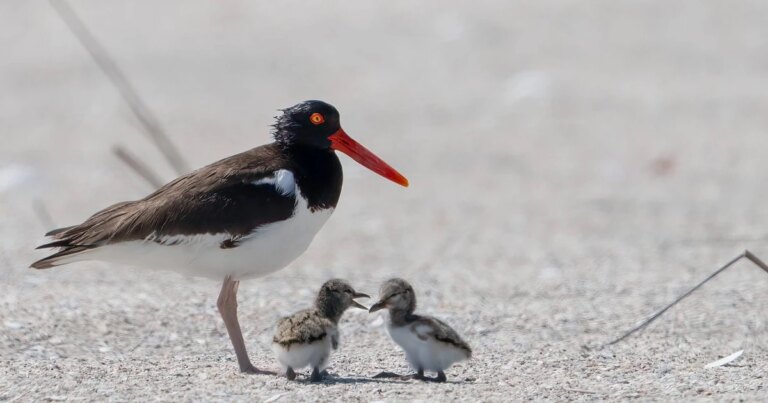
Moving into the Panhandle, Tyndall Air Force Base reported astounding accomplishments: a record 39 Wilson’s Plovers fledged along with 16 Snowy Plovers—an all-time high! The enthusiasm didn’t stop there; Audubon staff expressed delight at witnessing the first oystercatcher chick successfully hatch at Lanark Reef since 2021.

In the Western Panhandle, the community rallied behind nesting colonies situated close to construction sites. At one construction project in Navarre Beach, over 500 Least Tern fledglings thrived, alongside 45 Black Skimmer chicks. Meanwhile, Destin saw a resurgence with more than 100 Least Terns successfully fledged at Norriego Point.

What an uplifting message this sends about community involvement! When locals take the time to notice and report nesting sites, it can result in impactful conservation outcomes. It’s clear that teamwork can go a long way in preserving our natural heritage.

Florida’s Coastal Islands: Resilient Sanctuaries

The Florida Coastal Islands Sanctuaries, particularly around the Tampa region, showed significant recovery after a difficult 2024. The Audubon team documented nearly 7,000 pairs of nesting seabirds, with impressive tallies of Royal Terns and Caspian Terns at 3D Island. Remarkably, American Oystercatchers seized new nesting habitats made available after the hurricanes, leading to a total of 11 chicks fledged across all sites.

Reduced vegetation and open beach conditions propelled Least Terns to explore new areas, while Wilson’s Plover pairs thrived in once-overlooked spots. Audubon managed to coordinate with multiple partners including the Florida Fish and Wildlife Conservation Commission, ensuring that pest management and conservation tactics were in place, which bolstered productivity.

Fort De Soto Park achieved a record year for Wilson’s Plovers with 14 fledges. The success didn’t come without dedicated effort; thousands of birds successfully fledged from vital nesting sites such as Three Rooker Island, a crucial locale for several bird species.

Innovative Rooftop Programs: Urban Nesting Opportunities

What if I told you that urban environments can also play a role in littler bird conservation? Surprisingly, that’s exactly what happened! Audubon monitored around 56 rooftops across Pasco, Pinellas, Hillsborough, and Sarasota counties.

The rooftop initiative recorded significant nesting success with 11 American Oystercatcher pairs and six active colonies of Least Terns. Even a historic USPS building that hadn’t hosted a colony since 2019 welcomed these birds again! Conveying this message further, USPS staff even participated by conducting regular chick checks and returning fallen chicks to safety.

This is an inspiring example of how businesses and communities can come together to foster wildlife conservation in unusual places. When citizens partner with organizations like Audubon, they foster environments where nature can recuperate and thrive.

The Power of Cooperation: A Call to Action

As we reflect on a successful nesting season for beach-nesting birds along the Gulf Coast in 2025, the common thread throughout this story is cooperation. From dedicated volunteers stepping up to protect nesting sites, to innovative programs adapting urban spaces for wildlife, communities united for a shared purpose can yield extraordinary results.

As residents of Florida or any coastal community, consider how your actions can impact local wildlife. Educate yourself and others about nesting seasons, be cautious around identified nesting areas, and engage in local conservation programs.

While challenges remain—rising sea levels, increased storms, habitat loss—this year’s resurgence of bird populations sends a resounding message: hope persists. It reinforces the belief that through resilience and teamwork, nature can recover and succeed.

Let’s keep this momentum going! What stories will we write about next year? Only time will tell, but one thing’s for sure: the fight for our feathered friends is far from over. And that’s a narrative worth following.


In closing, 2025’s shining success reminds us of the delicate balance within our ecosystems. This story matters—not just for the birds, but for all of us who share this planet. Are we willing to advocate for future generations of bird and human alike? It’s a question we must all answer.

Can a New Social App Heal the Harms Caused by Social Media?

0

Biz Stone and Evan Sharp Launch West Co: A New Dawn for Social Media?

In a world where social media often feels like a chaotic whirlwind, the founders of Twitter and Pinterest are stepping in to change the conversation. Biz Stone, co-founder of Twitter, and Evan Sharp, co-founder of Pinterest, have raised an impressive $29 million to launch their new startup, West Co. But what exactly are they hoping to achieve in a landscape filled with like-minded platforms?

A Vision to Combat Social Media Fatigue

“I often ask myself, what could I build that might help address just some of the terrible devastation of the human mind and heart that we’ve wrought the last 15 years?” Sharp, now the CEO of West Co, mused in recent comments. This rhetorical question isn’t just a throwaway line; it encapsulates a growing concern that a lot of social media users share. Platforms, as they currently exist, sometimes prioritize sensationalism and entertainment over meaningful connections.

As technology advances and our digital interactions grow, the mental strain from constant notifications, endless scrolling, and superficial engagements has pushed many to reconsider how they interact online. To combat this, Sharp and Stone have taken their first step with the app Tangle, an invite-only platform that officially launched in November.

What Sets Tangle Apart?

At its core, Tangle differs from many social media apps by prioritizing intention and meaningful connections. Upon entering the app, users are prompted with a simple but profound question: “What’s your intention for today?”

This question isn’t just a gimmick; it encourages users to reflect on their goals and share them with friends. Imagine opening your social media feed only to be greeted by your friends’ aspirations rather than memes or political rants. This kind of interaction could change the way we interact with each other online and how we perceive social media.

The idea behind this approach is rooted in the belief that intention leads to deeper social interactions. “People can plan with intention, capture the reality of their days, and see the deeper threads that shape their lives,” Stone explained during an interview with the Financial Times. This focus on purpose-driven engagement may lay a groundwork for healthier online habits.

Backing from Spark Capital

West Co’s seed round of funding, led by Spark Capital, signifies significant investor interest in this new venture. The arrival of seasoned entrepreneurs like Stone and Sharp, coupled with this fresh funding, raises the stakes. Are they simply following a trend, or are they pioneering a shift in how social media operates?

The backing suggests that there’s a desire for innovation that prioritizes mental well-being over user engagement metrics. Investors often look for a blend of vision and market demand, and the emotional connection that West Co aims to create might just hit the sweet spot.

The Road Ahead: What’s Next for West Co?

While Tangle has made its entrance, the truth is that the app is still evolving. Stone indicated the app could change significantly before its broader public launch. This flexibility may be essential as they collect user feedback and refine features to better serve their audience.

For those watching from the sidelines, this kind of adaptability is crucial. Technology, especially in the realm of social media, often requires responsiveness to user needs and societal shifts. The challenge for West Co will be navigating this landscape while staying true to their mission of fostering community and intention.

What This Means for Everyday Users

But, you might be wondering: what does this mean for everyday people? As we continually face the pressures of modern life—whether it’s work, relationships, or just keeping up with the latest trends—having a space that encourages intention and meaningful engagement could offer a refreshing change.

Imagine logging onto a platform where you can set personal goals and celebrate achievements with your friends. Instead of feeling overwhelmed by news cycles or the latest social media drama, you’d be navigating a space that aims to uplift rather than undermine. This potential shift could lead to a healthier relationship with technology, a concept many are eagerly anticipating.

A Takeaway for the Tech World

The rise of West Co is more than just another startup launch; it’s a reflection of a growing sentiment among users for a change in how we interact on social media. It poses a challenge to existing giants like Facebook and Twitter: Adapt or risk becoming obsolete in a society increasingly concerned with mental health and authentic connections.

If West Co can harness this desire for genuine engagement, the implications could ripple across the tech landscape, motivating existing platforms to rethink their strategies.

Final Thoughts: A Movement in The Making

As I reflect on this new venture, I’m filled with hope for what it could mean for the future of social media. The world seems more tangled than ever, and a platform that encourages us to pause and consider our intentions could be a much-needed breath of fresh air.

After all, what if, instead of just posting our daily highlights, we learned to express our struggles, dreams, and goals? While Tangle is still in its early stages, its promise of emotional depth could make it a game changer in a climate craving authenticity in digital interactions.

As Biz Stone and Evan Sharp forge ahead, one can’t help but wonder: will they succeed in crafting a social media space that fosters connection rather than division? Only time will tell, but one thing’s for sure—many are watching and hoping for a new era of online interaction that enriches, rather than depletes, our hearts and minds.

Let’s keep an eye on this evolving story. You never know; it could lead to a movement much larger than what we see today.

LG Unveils CLOiD Home Robot: Your New Laundry Folding and Breakfast-Making Assistant at CES!

0

Meet CLOiD: LG’s Hopes for the Future of Home Robotics

What if you could live in a home where chores were a thing of the past? Imagine walking into your kitchen, opening the refrigerator, and grabbing a refreshing drink, all while a friendly robot handles the heavy lifting of cooking and cleaning. Sounds a bit like science fiction, right?

Well, LG is trying to turn that dream into reality with its latest creation: the CLOiD home robot. Announced at the Consumer Electronics Show (CES) 2026, the buzz around CLOiD suggests that the days of tedious home chores could soon be over, adding a whole new layer of convenience to our lives. So, what exactly can this robot do, and what might it mean for your everyday home?

A Sneak Peek at CLOiD’s Capabilities

At CES, LG showcased the CLOiD home robot’s impressive skill set. This doesn’t just include the usual tidy-up tasks; CLOiD can fetch milk from the fridge, pop a croissant in the oven, and even tackle laundry—folding and stacking clothes with grace. Just picture the freedom it offers: you could be lounging on your couch, sipping tea, while CLOiD diligently takes care of your laundry.

But before we get too excited, let’s take a moment to consider the bigger picture. While LG insists CLOiD is all about reducing human effort at home, it begs the question: do we really want a robot doing our chores for us?

Not the First of Its Kind

It’s worth noting that CLOiD isn’t breaking new ground on its own. It joins a growing roster of laundry-folding robots showcased at CES. Notably, SwitchBot’s Onero H1 is also aimed at lightening the burden of household chores, specifically tackling the daunting task of folding laundry. However, CLOiD stands out in several ways.

While the Onero H1 appears a bit clunky, like someone hastily grafted a couple of arms onto a wheeled base, CLOiD has an impressive design. It boasts two fully articulated arms capable of bending and tilting. This gives CLOiD the dexterity to perform various tasks that simpler models might fumble.

A Robot with Real Personality?

LG didn’t stop at functionality alone. CLOiD has a design that aims to make it more relatable to users. Its head design resembles LG’s Q9 robot’s head—menu-like but sleek—and it can communicate through spoken language and facial expressions. Imagine commanding CLOiD while it gives you a joyfully animated thumbs-up before getting started on dinner!

The Human Touch

We often think of robots as cold, unfeeling machines. However, CLOiD’s ability to express emotions adds a human touch that could make interacting with it more comfortable. Me, personally? I’d love to have a robot that genuinely reacts to my commands. It might even offer a sense of companionship.

But let’s not lose sight of practicality. Yes, CLOiD might be cute and helpful, but does it also integrate well into our current tech ecosystems?

Seamless Smart Home Integration

One of CLOiD’s standout features is its ability to connect with various smart home appliances. Thanks to LG’s ThinQ technology, CLOiD isn’t merely a robot helping with chores—it acts as a home hub. It’s like giving your home a manager who can juggle both cooking and cleaning duties, all while ensuring your other appliances are working in harmony.

Imagine a morning routine where you wake up, CLOiD already has coffee brewing in the kitchen, the dryer has finished your laundry, and it even gives you a gentle nudge to wake up. This seamless integration could truly change the way we think about managing our homes.

A Future Full of Possibilities?

Yet, the question lingers: will we embrace robots in our daily lives? Will we become a society that wants a robotic maid, chef, and possibly even a personal trainer? Many people might envision a future filled with automated help, but the reality is nuanced.

For those who embrace technology, having a robot like CLOiD could flatten the learning curve of using smart devices. However, think about the economic implications. Not everyone will be able to afford such advanced technology, and what happens to job roles traditionally filled by humans? It raises the age-old question: if we can have machines do our chores, might we lose something valuable in the process?

The Emotional Connection: Wanting vs. Needing

When a new gadget enters our homes, it’s easy to get excited about its potential. I still remember when smart speakers first landed in homes. There was a buzz about how these devices could change the way we interact with technology. In a way, CLOiD can rekindle that excitement—I envision its potential to enhance everyday life.

But, how many of us genuinely need a robot at home when we already have so many tools and appliances fulfilling those roles? Will CLOiD become a necessity, or will it be like many other gadgets—something lost to the depths of the closet when the novelty wears off?

What’s Next for CLOiD?

As LG pushes to make this robot a household name, the real test lies ahead: can CLOiD deliver on its promises? The technology appears promising, and LG is optimistic that consumers will yearn for a mechanical butler. However, whether that yearning translates into actual purchases remains uncertain.

For now, CLOiD remains an intriguing prototype ready to take center stage in homes of the future.

Why This Matters to You

So, what does all this mean for us, the everyday people who endure endless hours of chores? The rise of robots like CLOiD could lead to a significant change in our lifestyles. If these machines can genuinely help manage our homes, they might not only change how we live but also how we think about work, leisure, and technology.

As we edge closer to this seemingly futuristic world, it’s essential to contemplate the harmony between technology and our humanity. Questions arise about the role we want robots to play in our lives, and these discussions will shape how these innovations evolve.

The potential for a life with fewer chores might sound appealing, but we can’t ignore the social and ethical considerations. As exciting as CLOiD is, its impact on our homes—and society—will extend beyond its laundry-folding prowess.

As we watch the journey of robots like CLOiD unfold, we have a chance to reflect on what we want the future to look like. How far are we willing to go to embrace technology, and at what cost? Those are the conversations we need to have as we inch closer to a world powered by robots.

Strategist Warns: Trump’s Moves Against Venezuela’s Dictator Could Drive Oil Prices Higher

0

What Maduro’s Capture Means for the Global Oil Market

Early Saturday morning, a seismic shift echoed through the oil markets as news broke that the U.S. military had captured Nicolás Maduro, Venezuela’s controversial president, along with his wife, Cilia Flores, during a dramatic raid in Caracas. This audacious move, reminiscent of a high-stakes political thriller, leaves everyone questioning: How will this shake-up affect the global oil landscape?

A New Dawn for Venezuela?

For years, Venezuela has been sitting on one of the largest oil reserves in the world, yet its fortunes have dwindled under Maduro’s leadership. With mismanagement and corruption gripping the country, oil production plummeted to historic lows, impacting not just the Venezuelan economy but also the global oil supply. Some estimates suggest production has plummeted from about 3 million barrels a day in 2010 to less than a million now—a staggering decline for a nation once known as a powerhouse in the OPEC oil cartel.

So, with Maduro out of the picture, does this mean Venezuela can finally get back on its feet? Industry experts speculate that a new government could reinvigorate the country’s production capabilities, assuming a transition toward more stable leadership occurs. But even the most optimistic predictions don’t suggest an overnight revival. Turning this massive oil vessel around will require not just time but considerable investment, expertise, and international support.

The Immediate Market Reaction: Upward Trends

As one might expect, news of Maduro’s capture sent ripples through global oil markets. On Monday morning, oil prices surged. Brent crude oil rose by nearly 4%, pushing past the $90 per barrel mark. Investors are excited, but should they be cautious as well?

Jared Myers, a senior analyst at Global Energy Insights, mentioned, “This kind of geopolitical shakeup often sparks hope for increased production in countries like Venezuela. But we’ve seen this story before—optimism often meets a hard reality check.”

The fluctuating prices following the raid highlight how interconnected global economies truly are. What does this mean for everyday consumers? Those frequent trips for gas might become a little pricier, depending on how quickly the market adjusts to the new reality.

What Lies Ahead for Venezuelan Oil?

Venezuela’s oil is of low quality—known as “heavy crude”— demanding expensive processing to refine it into usable fuels. However, if a new administration emerges that can stabilize the economy and restore confidence both domestically and internationally, the upside potential is significant. If the country’s infrastructure can be upgraded and investors can be enticed, we could see production ramping up, which might help ease the current tightness in the oil market.

But let’s not forget the history here. Many Venezuelans still remember when the country was once a beacon of economic prosperity, thriving on its oil wealth. The political turmoil hasn’t just decimated the economy but also increased hunger, the healthcare crisis, and mass emigration. A new regime could tackle these issues, but trust won’t be rebuilt overnight, and international investors may remain reluctant until there are clear and stable signals.

Global Oil Dynamics: More Than Just Venezuela

While Venezuela’s situation is crucial, the global oil dynamics are also influenced by other factors. Oil prices are always sensitive to major geopolitical developments, including tensions in the Middle East, fluctuations in U.S. shale production, and OPEC’s decisions regarding supply.

For instance, the ongoing conflict in Ukraine still adds considerable pressure to the energy markets as sanctions on Russian oil create significant shifts. The world is attempting to adjust, leading to price volatility that often feels like a rollercoaster ride. And with diminishing supplies from several sources, every new development, like Maduro’s capture, becomes a point of speculation for traders and consumers alike.

The Local Angle: What Does This Mean for Consumers?

So, how does this impact people at home? The price tag at the gas pump could fluctuate as markets react to this news and as prices ripple through the supply chain. If production from Venezuela picks up effectively, we may benefit from more stable prices in the long run.

What about the ongoing conversation on renewable energy? While the traditional oil market is crucial for consumers today, many are also pondering the accelerating transition to greener technologies. Some experts believe that if nations prioritize energy diversity, being reliant on one country’s oil might not be as pressing a concern.

Emotional Stakes: Lives and Livelihoods

As we watch these developments unfold, let’s not forget the human aspect of this story. For decades, Venezuelans have suffered under economic turmoil, driven to leave their home country for better lives abroad. Families have been torn apart; dreams shattered. Now, with change seemingly within reach, there’s a flicker of hope that a new direction could mean restoration for everyday life in Venezuela.

Reflecting on this makes one wonder: How much longer can people endure waiting for their government to prioritize their well-being? It’s a question that resonates deeply and adds an emotional layer to the cold mechanics of the global oil market.

Lessons Learned: Analyzing What Lies Ahead

As we absorb the implications of Maduro’s capture, it’s clear that this situation extends beyond oil prices and supply lines. It’s about politics, about rebuilding lives, and about what it means to stabilize not just a country’s energy resource but the very fabric of its society.

In essence, the story serves as a stark reminder: The geopolitical landscape can shift overnight, and while hope is a powerful motivator for change, the path to recovery often remains fraught with challenges.

What does this mean for residents worldwide? It emphasizes the fine line between political power and economic stability. The world is watching—and learning. Whether Venezuelans will reclaim their pride in their nation’s resources depends not only on internal reforms but also on how the international community chooses to engage with this new Venezuela.

So, as we continue to follow this story, let’s keep our eyes open—not just for the numbers rising or falling on the news ticker, but for the stories of people behind them, the ones holding their breath, waiting for a better tomorrow.

Unlocking the Power of Agentic AI: Mastering the Art of Effective Questioning

0

The Future of Work: Unpacking Agentic AI with Jeetu Patel

In recent years, artificial intelligence (AI) has transformed from a buzzword into a daily reality for many of us. Just a couple of years ago, the technology felt almost magical, like something straight out of a sci-fi movie. Now, we’re grappling with how AI fits into our everyday lives, especially in the workplace. That’s what makes the latest episode of the TechSpective Podcast with Jeetu Patel such a compelling listen.

What’s the Hype About AI?

Jeetu Patel is more than just your average tech executive; he’s the President and Chief Product Officer at Cisco, a company that’s heavily involved in harnessing AI for better business solutions. When he chats about “agentic AI,” he brings clarity to a term that often feels vague and confusing. What does it actually mean? How is it different from the chatbots and content generators we’ve seen before?

Agentic AI refers to systems that can take actions and make decisions on their own, stepping beyond simple automation to engage more deeply with tasks. Think of it as a leap towards AI that can not only follow commands but can also interpret and adapt to situations in a more human-like manner. During our chat, Patel stressed that we need to rethink what we want AI to do and what it might mean for us as workers.

The Changing Nature of Work

What does this shift mean for us? Patel emphasized that the emergence of agentic AI is about reimagining the future of work. AI won’t just take over repetitive tasks; it’ll reshape how we approach our jobs entirely. Think about it: if AI agents become better at handling the cognitive heavy lifting, what becomes of our roles? Do we turn more into editors, overseeing the work AI does? Or do we become explorers, venturing into new fields that AI hasn’t yet navigated?

I remember a conversation with a friend who’s an illustrator. As we discussed the rise of AI-generated art, she wondered aloud: “Am I still needed if AI can create beautiful images at the click of a button?” That’s a question many professionals are asking today.

The Acceleration of AI Adoption

One striking point Patel made during our discussion was about the speed of AI adoption. Just a few years ago, AI felt like a distant concept. Now, it’s integrated into our workflows. This rapid adoption raises important questions: What do we risk losing by handing over tasks to AI too quickly? Are we normalizing extraordinary technology without fully understanding its implications?

I think about my own experience trying to adapt to new tools. A couple of years back, when I first encountered AI writing assistance, it felt revolutionary. Now, I rely on it for daily tasks, but I also wonder: Am I losing touch with the skills I always used to rely on?

The Philosophical Implications

The conversation with Patel didn’t just skim the surface; it dove into philosophical territory. If AI agents can handle significant cognitive tasks, what happens to our value as human workers? How do we define work and worth when a machine can do so much of it for us?

It raises tough questions. Are we destined to oversee machines that do the heavy lifting, or could we discover new forms of value in our uniquely human capabilities?

Let’s take a moment to reflect on this. When I consider the jobs of tomorrow, I think of skills that emphasize creativity, emotional intelligence, and interpersonal relationships—areas where AI struggles. As we let AI take on more tasks, it’s crucial to retain the human elements that machines can’t replicate. Whether it’s empathy in healthcare or creativity in the arts, these attributes will always hold value.

What Lies Ahead?

Patel’s insights are more than just observations—they’re a call to action for all of us navigating this fast-changing landscape. How do we adapt? What’s our role in shaping a future where AI plays a bigger part? As these tools evolve, so must we.

We should be proactive in defining how we want to integrate AI into our lives and workplaces. It’s not merely about what AI can achieve; it’s about what we want from it and how it can enhance our work and lives.

Preparing for the Unknown

Patel shared a poignant reminder: as we look to the future, we need to be prepared for jobs that don’t exist yet and challenges we haven’t even thought of. This speaks to the importance of lifelong learning and adaptability.

I find myself reflecting on my own career. Switching from traditional journalism to digital media was challenging, but it taught me the value of staying ahead of the curve. The same principle applies here; staying curious and embracing change is essential in this AI-driven world.

Connecting the Dots

In our podcast conversation, we discussed how different sectors might adapt to the rise of AI. From tech to healthcare, businesses need to assess how these AI systems will impact their workflows. How can they prepare their teams? What training will become necessary?

This isn’t just a conversation for CEOs or tech leads; it’s for everyone. The perspective we adopt at this stage can significantly influence how we harness AI’s potential. Are we fearful of losing our jobs, or optimistic about what we can achieve with AI as a partner?

The Bottom Line

The conversation with Jeetu Patel was rich and layered. It’s about more than just AI; it touches on how we define ourselves in the rapidly changing world of work. As we stand on this precipice of technological advancement, it’s essential to ask ourselves what we want our relationship with AI to look like.

So, as you sift through the implications of AI in your own life, try to embrace the uncertainty. What skills do you need to cultivate to thrive alongside this brave new world? After all, the tools we create should serve to enhance our lives, not diminish them.

Listen to our episode to dive deeper into these thoughts. Trust me, it’s an insightful ride! And as always, I’d love to hear your take on this evolving landscape. What are your thoughts on AI in the workplace? Are you excited, anxious, or a little bit of both? Let’s keep the conversation going!