Are We Ready for Aliens? A Banker’s Warning Sparks Debate
The idea that aliens might exist used to be the stuff of sci-fi movies and wild conspiracy theories. But now, it seems that we might need to take that idea more seriously. A former senior analyst at the Bank of England, Helen McCaw, argues that if humanity ever gets official confirmation of extraterrestrial life, it could lead to chaos in our financial systems.
Let’s dive into why she feels we should all be worried and what this means for everyday folks.
A Threat We’re Ignoring
Helen McCaw isn’t your average UFO fanatic. She spent ten years at the Bank of England, where her job was to identify rare but extreme threats to financial stability. Think of things that could shake the economy to its core, like market crashes or major geopolitical events. But now she’s turned her attention to a scenario many have dismissed for years: the announcement that we’re not alone in the universe.
She’s written a letter to Bank Governor Andrew Bailey, urging him to consider what she calls a “systemic shock.” McCaw believes that if intelligent non-human life were ever confirmed, it could upend our entire conception of financial markets.
“Financial markets are built on assumptions,” she explains. “A confirmation that humanity is not alone would undermine those assumptions overnight.” Investors rely on predictable futures and human control, and an announcement like this could send them into a tailspin.
The Financial Chaos That Could Follow
Imagine waking up one day to the news that intelligent life exists beyond Earth. What would that mean for your stock portfolio? McCaw warns that in the immediate aftermath, markets would likely face extreme volatility. Investors would be scrambling to recalibrate their models and not knowing what to value anymore.
Countries, governments, and institutions all rely on a certain level of confidence. If that confidence evaporates, panic could ensue.
“Markets don’t know how to price risk in scenarios like this,” she says, “and panic follows.”
You might picture investors rushing to safe havens like gold or government bonds. Others might turn to digital currencies like Bitcoin as trust in traditional systems wavers. But even these “safe” assets may not remain safe for long. Speculation about advanced technology from other civilizations could lead people to question the value of everything—from gold to real estate—if scarcity is no longer guaranteed.
Changing Attitudes Toward UFOs
Just a few years ago, most people would have rolled their eyes at such claims. But things have changed noticeably. McCaw points to notable figures in the U.S. government acknowledging unexplained aerial phenomena. For instance, Secretary of State Marco Rubio and Senator Kirsten Gillibrand have made public statements about UFO sightings, particularly near sensitive areas like nuclear facilities.
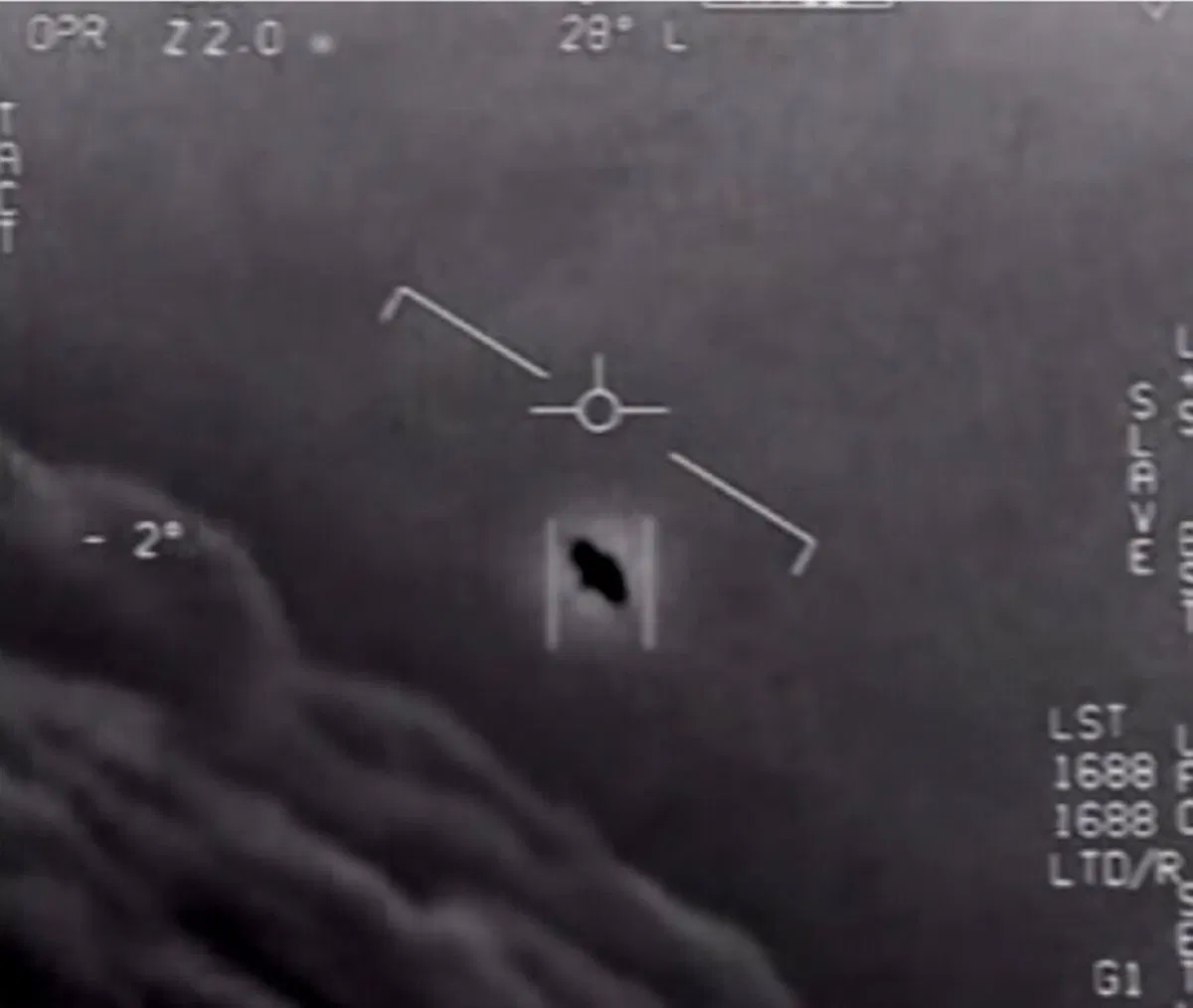
Even Barack Obama has weighed in, admitting there’s footage that doesn’t quite fit into our conventional understanding of flight.
For McCaw, these shifts in the political landscape signal that we might be closer to an official disclosure than we realize.
The Ripple Effect of Lost Confidence
What does it mean for those of us who just want to live our daily lives? McCaw believes that if such a shocking announcement were made, we’d likely feel its effects almost immediately. Financial instability could rear its ugly head within hours, leading to bank runs, payment failures, and shortages of essential goods.
Imagine walking into a bank, only to find it’s shut down or that you can’t access your funds. How would you deal with that?
“It’s not alarmism,” she insists, “it’s risk assessment.”
McCaw thinks it’s perfectly reasonable to prepare for such unlikely but incredibly impactful events, much like how central banks prepare for less dramatic scenarios.
From Skepticism to Caution
Interestingly, McCaw didn’t always buy into the UFO narrative. Like many, she once viewed the subject as pure fantasy. However, her perspective changed after she read a peer-reviewed NASA paper on UFOs by astronomer Richard Stothers.
“Governments are studying this? I thought it was all nonsense,” she recalls.
Even now, though she’s passionate about the topic, she finds that many people aren’t eager to engage in discussions about it. Some friends refuse to talk about UFOs at all, while others admit they’d rather not think about the implications of such revelations.
One former colleague said, “I believe you—but I hope I don’t have to live in a world where this is confirmed.”
Preparing for the Unknown
Despite the sensational aspects of the UFO community, McCaw aims for a focused discussion on government preparedness. She’s authored a chapter in an upcoming academic book that explores the geopolitical and financial consequences of potential disclosures.
“My goal isn’t to scare people,” she says. “It’s to ensure that governments aren’t completely unprepared.”
The Bank of England has so far declined to comment on her letter, but whether we ever receive confirmation of alien life remains an open question.
Why This Matters to You
So, why should this matter to you?
It’s not just about aliens; it’s really about how we react to uncertainty. In finance, as in life, the biggest shocks often come from areas we least expect. McCaw’s warning serves as a reminder that staying in denial isn’t an effective strategy for risk management.
Whether it’s an economic downturn, a pandemic, or an extraterrestrial revelation, the more we prepare for the unexpected, the better equipped we’ll be to face whatever comes our way. After all, isn’t it better to think ahead and be ready than to get caught flat-footed when the unimaginable becomes real?
In a world that seems increasingly chaotic, McCaw’s insights call for a blend of skepticism and readiness. It’s time we take a serious look at what might be out there—and how it could impact our lives down here.
After all, the universe is vast, and we’re just getting started in understanding it. What would happen if we truly are not alone? Wouldn’t you want to be prepared for that?

Leave a Reply