The Nuclear Review: A Risk to Our Natural World?
In November last year, the UK government released a review of its nuclear delivery, jump-starting a storm of controversy that many didn’t see coming. The Wildlife Trusts, a federation comprising numerous UK wildlife charities, have stepped forward with claims that the review is built on a shaky foundation of misleading information. The stakes couldn’t be higher as they contend that these proposals could worsen the current nature crisis.
So, what’s at stake here? Let’s break down the findings and what they mean for our environment, our wildlife, and even our economy.
What’s Behind the Nuclear Regulatory Review?
The review’s author, John Fingleton, endeavored to streamline regulations for the nuclear sector. Prime Minister Rishi Sunak has been an enthusiastic supporter, labeling the existing environmental regulations as unnecessary red tape. But the Wildlife Trusts disproved this narrative in their report titled “Why the Nuclear Regulatory Review is Flawed – and How It Could Turn the Nature Crisis into a Catastrophe.” They argue that weakening the Habitats Regulations, which offer vital protection for numerous nature sites, could spell doom for vital ecosystems.
Misleading Claims: Unpacking the Data
One of the most shocking points made by the Wildlife Trusts is how the review misrepresents the costs and impacts of protecting our environment. The review claims that fish protection measures at Hinkley C nuclear power station would cost £700 million. However, the actual figure is around £50 million. This isn’t just a minor discrepancy; it’s significant when considering the overall project cost of £46 billion. The vast majority of that budget overrun has absolutely nothing to do with environmental protections.
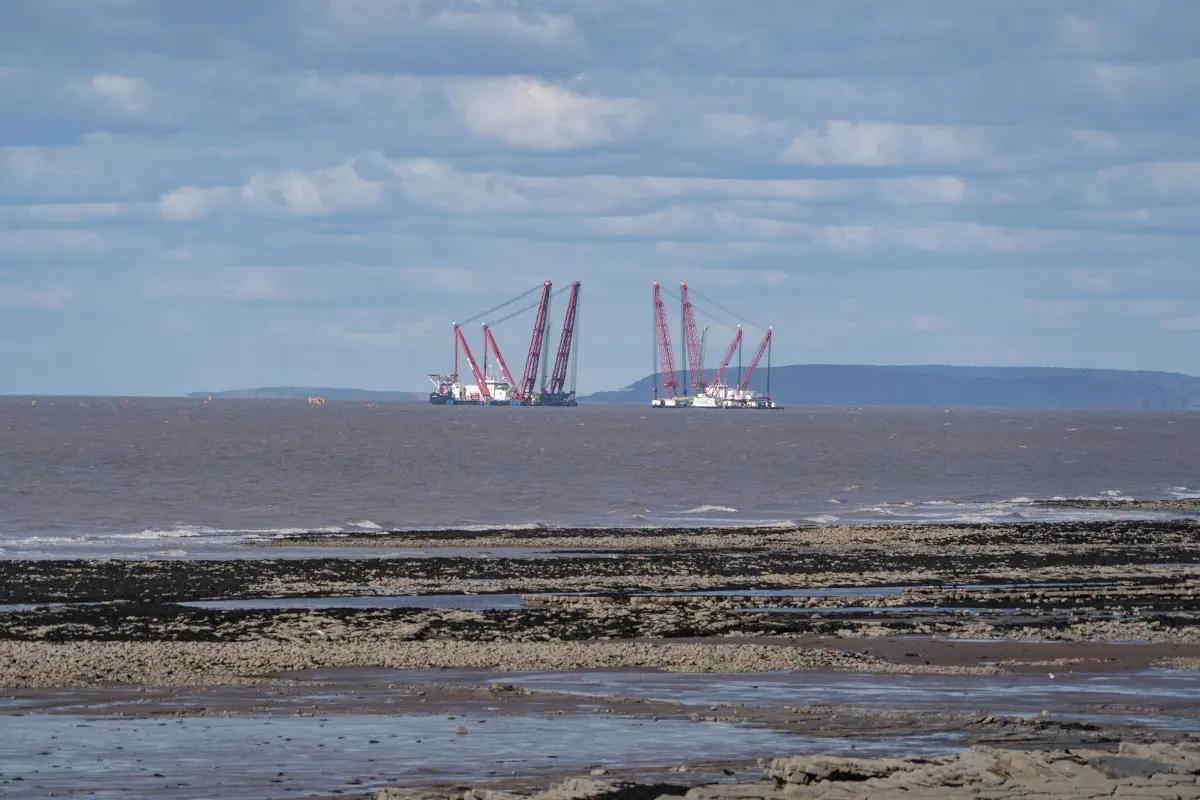
The Wildlife Trusts argue the review doesn’t only exaggerate costs but also downplays the environmental impact. For instance, while the review mentions only a negligible number of fish species being impacted at Hinkley C, research from the Environment Agency indicates that up to 4.6 million adult fish could be sacrificed without protective measures. This isn’t just a number—these fish are crucial to the ecosystem of the Severn Estuary, an internationally recognized habitat.
Flawed Observations and No Experts?
A critical red flag that the Wildlife Trusts raise is the makeup of the review panel, which lacked any environmental experts. It’s unacceptable that a crucial environmental assessment is channeled through an advisor without expertise in this key area. Craig Bennett, CEO of The Wildlife Trusts, didn’t hold back in his criticism: “The dice were loaded from the start.” He believes that the review reflects a distorted narrative that aims to undermine the crucial role of environmental protections.
This raises the question: What types of voices are truly influencing policy-making? When it comes to safeguarding nature, shouldn’t expert opinions be prioritized?
The Political Landscape: A Balancing Act
This isn’t just about fish and birds; it’s about the politics surrounding environmental conservation. More than 60 MPs have expressed their worries about the review. They’re concerned that adopting its recommendations would lead to significant environmental degradation. Shouldn’t politicians be the guardians of nature, rather than proponents of environmental regression?
It’s especially compelling considering that the current government’s mandate focuses on tackling the climate and nature crisis. Yet, the proposed changes threaten vital wildlife sites, drifting the UK further away from its commitment to achieve net-zero emissions.
The Real Cost of Ignoring Nature
Let’s ponder for a moment: What if we continue down this path? Craig Bennett argues that relying on “bolt-on engineering solutions” is symptomatic of a much larger issue—the failure to incorporate nature into the design process from the start. When developers engage with environmental concerns late in the game, the costs rise, and the effectiveness often diminishes.
The risk here isn’t just ecological devastation; it’s economic instability. Nature contributes significantly to various sectors, including tourism, agriculture, and even healthcare. The ripple effect of poor environmental policies can hit hard and far.
What Can Be Done?
Public support can lead to meaningful change. The Wildlife Trusts are campaigning to halt these detrimental recommendations. The call to action is straightforward: They urge citizens to advocate for preserving existing environmental protections. After all, those who cherish wildlife can be powerful allies in pushing for robust regulations.
If the government ignores such pleas for biodiversity, what message does that send? It screams that economic expediency takes precedence over our shared responsibility to care for the planet.
A Personal Take: Why This Matters
I still remember the silence that fell over my hometown when a vital wetland was drained for a development project. The birds, once a joyful sight, disappeared, as did my childhood fascination with nature. What does this escalating conflict mean for communities that cherish their local environments? This struggle is not just about fish or birds; it’s about the fabric of our natural world—our heritage and future.
Conclusion: What Lies Ahead
The proposals resulting from the Nuclear Regulatory Review could mark a turning point for how the UK balances infrastructure needs with environmental protections. The Wildlife Trusts and other advocates will continue their crusade for nature. They highlight the urgent need for expert involvement in planning and decision-making.
Let’s face it: Our natural world is resilient, but it’s not invincible. If we want to ensure that future generations inherit vibrant ecosystems, we need to make our voices heard and hold our leaders accountable—before it’s too late.
To learn more about the ongoing campaign to save environmental protections threatened by the Nuclear Regulatory Review, check out the Wildlife Trusts’ website here.
This is a critical time. Will we rise to the occasion and fight for the world we want to see? Only time will tell.

Leave a Reply