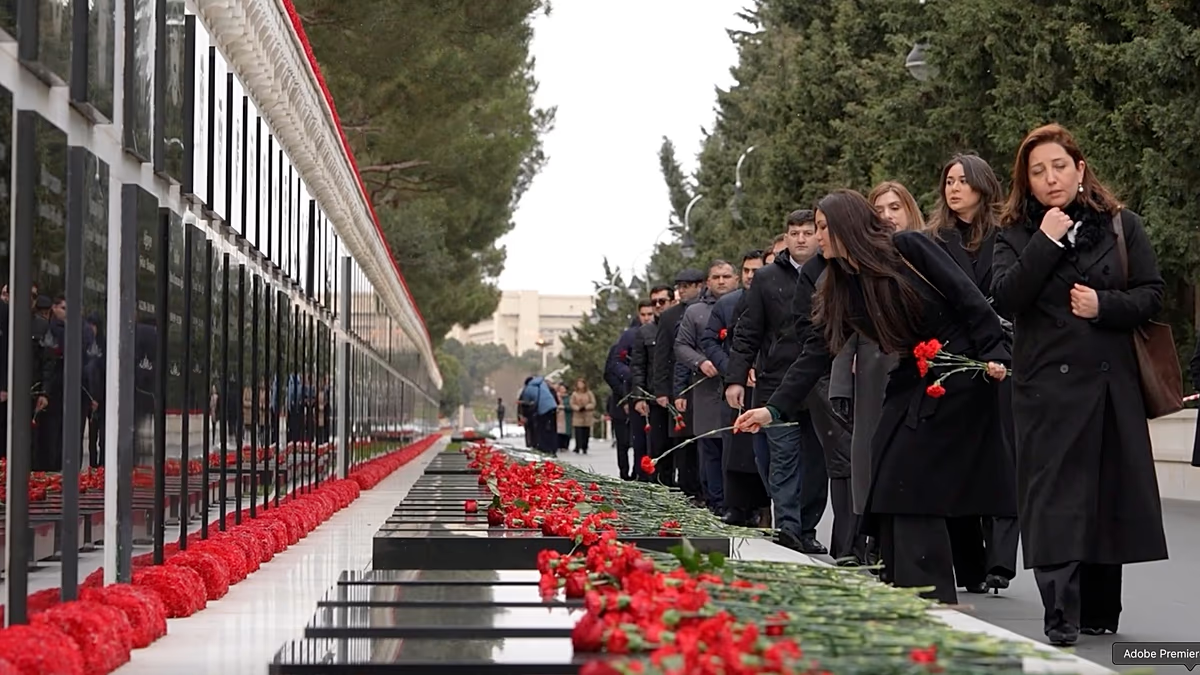
Remembering the Past: Azerbaijan’s National Mourning Day
Every year on January 20, Azerbaijan has a moment of pause—a day marked by somber reflections and heartfelt tributes. This year, 2023, marks the 36th anniversary of one of the darkest chapters in the country’s history, when Soviet troops brutally suppressed Azerbaijan’s struggle for independence. The day, designated as National Mourning Day, isn’t just a remembrance of those who fell; it’s a powerful reminder of the price of freedom.
A Grim Reminder of Tragedy
In the early hours of January 20, 1990, chaos erupted on the streets of Baku. Tanks rolled through the city as Soviet soldiers opened fire on unarmed civilians. By the end of that horrifying night, 147 lives had been taken—men, women, and children caught in the crossfire of a battle for national identity and autonomy. This tragedy wasn’t just another political episode; it was a turning point, crystallizing Azerbaijan’s desire for independence from the crumbling Soviet empire.
I can still remember hearing stories from my neighbor, who witnessed the events unfold from her window. She describes images that stay etched in her memory—people running, the echo of gunfire, and the heavy silence that followed. To think that just a few decades ago, families lost their loved ones simply for daring to dream of self-determination is heartbreaking.
Local newspapers and community gatherings tell the story of resilience, as citizens not only mourn but vow to continue marching forward in honor of those who sacrificed everything.
Honoring the Fallen
On this National Mourning Day, thousands gathered at memorials across Azerbaijan. The Alley of Martyrs in Baku stands out as a focal point for these commemorations. President Ilham Aliyev himself laid a wreath at the memorial, ensuring that the somber spirit of the day resonated from the heart of the nation’s leadership to every citizen.
It’s important to note that such acts aren’t just ceremonial; they symbolize unity in grief and purpose. Messages of remembrance poured in from social media platforms, as individuals shared their stories and paid tribute to those they lost. Many posted photos, poems, and reflections, reminding us of the human cost behind the political struggle.
“We must remember,” one post read, “so that history doesn’t repeat itself.” This sentiment echoes through generations. The significance of a day like January 20 stretches beyond its historical roots; it illustrates the importance of collective memory in shaping contemporary Azerbaijan.
The Ripple Effect of Tragedy
But why does this remembrance matter? For many, reflecting on the past isn’t just about mourning. It’s about understanding how such tragedies shape the present and future. The blood spilled on that fateful night ignited a wave of national consciousness, leading to Azerbaijan declaring independence only a couple of years later in 1991.
People often ask, “What does this mean for everyday citizens?” The answer lies in the fierce will to preserve their identity and culture against repeated threats. The memory of the massacre galvanizes civic engagement. Young people who weren’t even alive during the events wander through memorials, listening to their parents recount tales of hardship. It becomes clear that the past is still very much alive in the hearts of Azerbaijani citizens.
On this day, discussions surface that tackle the notion of nationalism, freedom, and the ongoing challenges that the country still faces. Are there lessons we can learn from history? Absolutely. Many argue that to respect and honor the past is to empower the future.
The Role of Commemoration in Society
There’s something powerful about collective mourning. It brings communities together, creating a shared experience that can sow deeper social bonds. When we gather to remember, we wave our flags high and chant the names of those who fought for our freedom. It’s as if the fallen rise again, their spirits intertwining with our own resolve to move forward.
In cities and towns across Azerbaijan, memorial events often include speeches from public figures, songs that reflect the national spirit, and moments of silence that invite individual reflection. Each of these components serves as a reminder of the resilience that follows tragedy.
Looking Forward
Azerbaijan’s National Mourning Day not only commemorates a painful past but also serves as a torch illuminating the way to a brighter future. Many young Azerbaijanis are now engaged in not just remembering, but also strengthening their understanding of democracy and the values of freedom.
So, what’s next for a nation bearing the scars of the past? Education and awareness emerge as crucial steps. Schools now incorporate lessons on history that encompass these tragic events. Learning about the January 20 massacre is essential, ensuring the younger generations understand what’s at stake.
For those looking in from outside Azerbaijan, this story serves as a poignant reminder of the value placed on freedom. Only through understanding can one appreciate the hardship endured by another. It can be easy to take our own freedoms for granted, but it’s crucial to remember that such liberties often come at a steep price.
Conclusion: Why This Story Matters
As we reflect on January 20 each year, we’re reminded of the profound importance of remembrance. It’s not just about honoring the past; it’s about cultivating the future. By standing together as a nation, Azerbaijanis affirm their commitment to democracy, autonomy, and the unyielding power of resilience.
What does this mean for you, the reader? It serves as an invitation. An invitation to take stock of your own freedoms and to consider the struggles others endure to attain theirs. When we remember, we don’t just honor; we also empower—and perhaps that’s the greatest lesson we can learn from this painful yet pivotal chapter in Azerbaijan’s history.

Leave a Reply