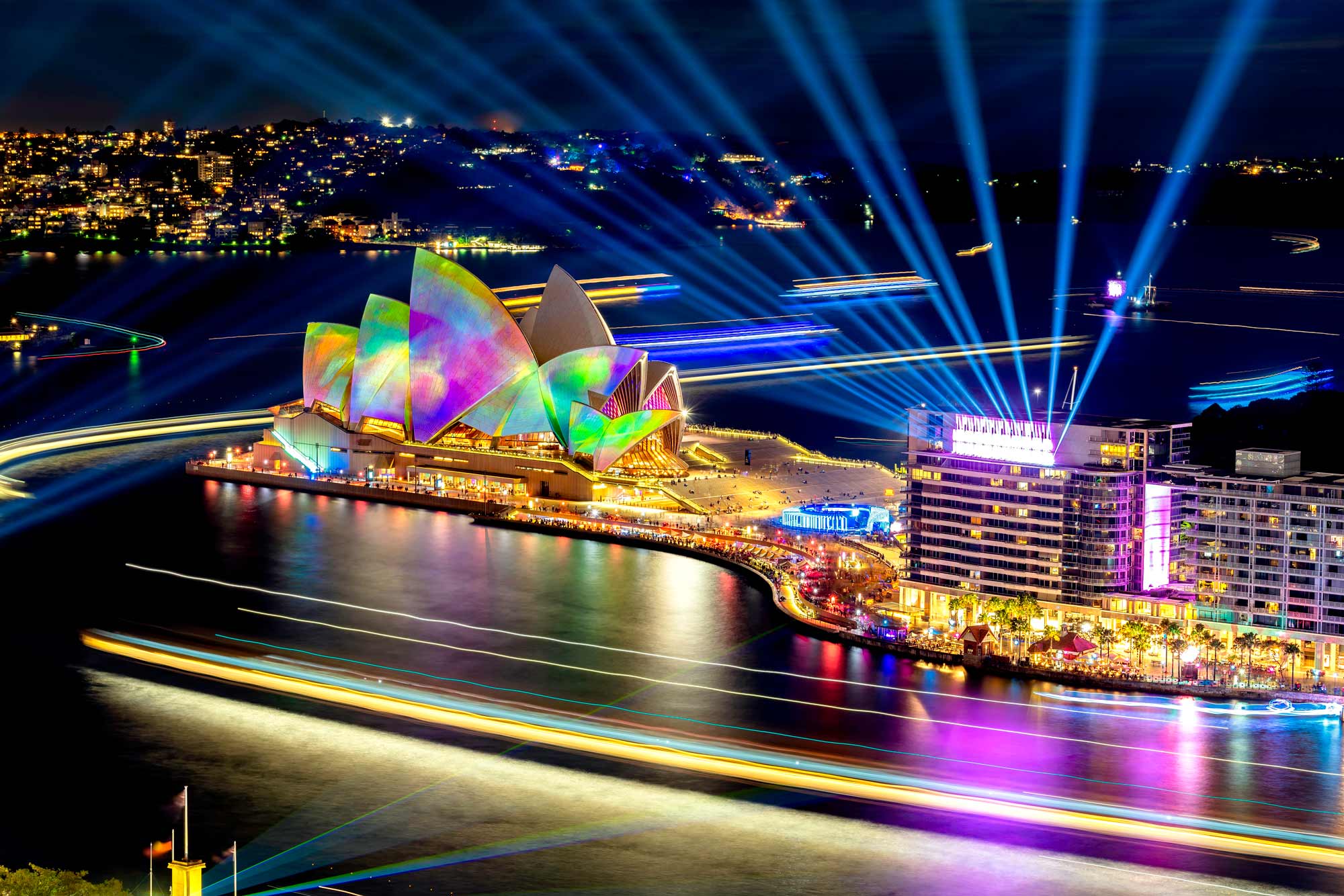
Get ready for a fantastic night out with your friends. Register for the ideas that are popular with the public, such as a dinner cruise on Sydney Harbor.
Sydney, one of the most popular tourist destinations in Australia, is known for its abundance of both urban and natural attractions, stunningly bronzed bodies, abundance of both plant and animal life, laid-back atmosphere, and incredibly high standard of living. Sydney offers everything you need because it is the city with the most population in Australia. Here are some fun and relaxing night out options in Sydney, so pack your picnic and get ready with your family. Sydney will undoubtedly entice you, and as you read, you’ll find lots of entertaining things to do.
Island Cruises
The Harbour Bridge and Opera House are two prominent Sydney sites that can be found in Sydney Harbour, which also boasts several top-notch cruising restaurants that can entertain you with their fine cuisine and million-dollar views. Join a luxurious dinner cruise in Sydney on a real paddlewheeler with old-world elegance. Freshly prepared deluxe 3-course seated and served dinner and Aussie beverage packages are available for purchase. Walk onto its encircling verandah to take in the dazzling harbour sights, recognizable skyline, and shimmering city lights. A one-hour cabaret entertainment performed by an all-Australian cast is also included in the cruise to liven up the dining and cruising experience. It boasts a roomy dining room with cathedral windows created in a theater-style layout so you can take in the stunning harbor views while dining delectably and seeing an amazing performance. A showboat Sydney Harbour dinner cruise is the ideal way to celebrate a night out with friends and coworkers.
Climbing the Harbour Bridge
The heritage-listed Sydney attraction, Sydney Harbour Bridge, is considered to be the best representation of Sydney or of Australia as a whole. To get the best views of the expansive metropolis and the well-known Sydney skyline, try to cross the bridge on foot. The bridge connects the North Shore with the core business district with its elegant flared steel arches. You can climb catwalks and ladders to reach the top of the outer arch. The ascent is a slow ascent that gives you time to explore and take in the scenery. You may take in the sights of the enormous, elegant metropolis below. It would be best to ascend at dusk so you can take in the sights of the Blue Mountains to the west as well. You can undoubtedly take pleasure in the accomplishment and enjoy a happy day with your friends and coworkers.
Please toast!
Sydney is home to numerous dance floors of different sizes and kinds. Just picture yourself having a good time with your pals while singing and dancing at neon-lit bars, clubs, and late-night party spots. Prepare to sing along with the rest of your family and create priceless memories. Raise a glass to a night spent free from the monotonous activities of the day and relax with good friends, tasty fare, and refreshing beverages. In Sydney, there are a lot of bars and pubs, so try to pick one that suits you the most. Perhaps you should consider stopping at Henry Deane, the crown jewel of the venerable Hotel Palisade with breathtaking views of Sydney Harbor. It is concealed near Millers Point, adjacent to the Barangaroo Reserve. One description of the location is that it is an extremely elegant setting for sunset cocktails. The area is big, roomy, and expertly divided into several parts. You can choose to remain in the center of the excitement or you can choose to take it easy, unwind, and enjoy the scenery and beverages with your company in a quiet area.