
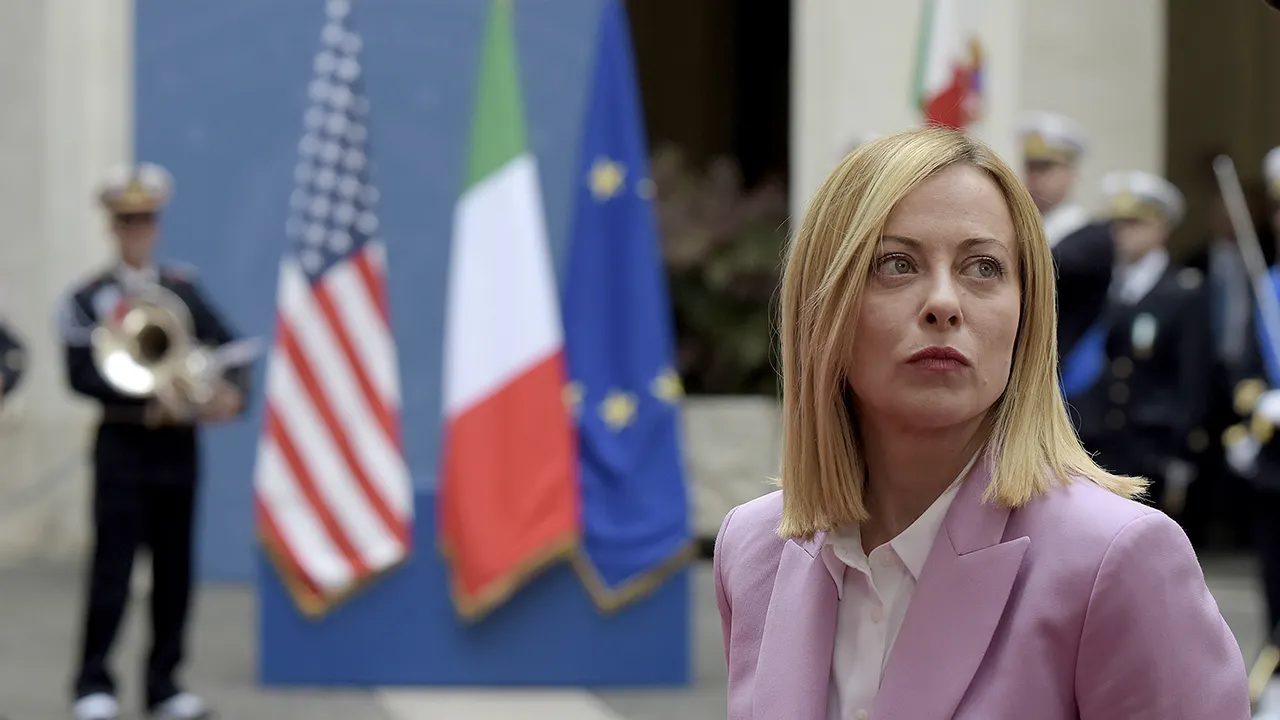
How Giorgia Meloni is Reshaping Italy’s Economy and Political Landscape
When Giorgia Meloni became Italy’s prime minister in 2022, the country was grappling with a multitude of crises. The economy was shaky, unemployment was high, and inflation seemed out of control. Fast forward to today, and you’ve got a different story: Italy is not just surviving, but thriving in ways many didn’t think possible. It’s now outperforming major European economies like Germany and France, a remarkable turnaround that captivates analysts and everyday citizens alike.
The Road to Recovery
To understand how Italy transformed itself under Meloni’s leadership, let’s rewind to late 2022. At that time, Italy’s budget deficit stood at a staggering 8.1% of GDP, with unemployment hovering around 7.9%, and inflation soaring past 12%. It felt like the country was stuck in a never-ending cycle of decline.
However, the winds began to shift almost immediately after Meloni took office. Confidence surged back into the markets. As Edmondo Cirielli, Italy’s deputy foreign minister, remarked, “Confidence returned, and the economy responded.” By the end of 2023, the deficit was slashed to an estimated 3.1%, inflation dropped to a mere 1.1% in November, and unemployment fell to 6% by October—this is no small feat.
Policies that Created Change
So, what exactly has changed? According to Daniel Lacalle, chief economist at the investment firm Tressis, Meloni’s administration directly tackled critical issues often ignored by previous governments, such as rampant illegal immigration. “Mainstream social democrat politicians largely ignored this problem because they did not suffer it,” he said. The middle class in Italy has started supporting Meloni primarily because her administration’s focus has finally acknowledged and addressed their struggles.
Interestingly, the effectiveness of Meloni’s economic policies bears some resemblance to U.S. President Ronald Reagan’s approach in the early 1980s. Just as Reagan put a fresh face on conservatism, Meloni has taken her political roots and shaped them into a credible governing force.
International Relations and Trump Ties
Meloni isn’t just standing alone; she has forged an alliance with international leaders, including former President Donald Trump. This connection raises questions about how aligned their policies may be, particularly in dealing with mutual economic interests. It’s a nod to the larger international political landscape where relationships can still matter significantly, especially in volatile times.
A Skeptical Future
Yet, amid the positivity, not everyone is convinced that Italy’s recovery is set in stone. Marc Chandler, chief market strategist at Bannockburn Global Forex, expresses skepticism. One notable concern is Italy’s declining birth rate, a demographic challenge that could hinder long-term growth. “The dearth of births influences me about long-term growth,” Chandler pointed out.
But Cirielli remains optimistic. He argues that Italy has faced similar challenges before. Post-World War II, a baby boom fueled economic prosperity. Today, Meloni is laying the groundwork for a renewed focus on family support and job creation to address demographic challenges.
EU Funds: A Double-Edged Sword?
Another topic ripe for discussion is Italy’s reliance on European Union funds for its economic revival. While some critics caution that these funds may not be sustainable, Cirielli defends their role, framing them as the catalyst for transformative initiatives. “The Marshall Plan worked not simply because of the money, but because there were governments capable of using it effectively,” he states. With credible leadership, he believes those funds can lead to job creation and better infrastructure.
Yet there’s a lingering question: What happens if the EU pulls back its financial support? Could Italy sustain its growth without this safety net?
The Future of the EU
As all this unfolds, there are whispered discussions about whether Italy should consider a path similar to Britain’s Brexit. But Cirielli strongly believes that leaving the EU is not a viable option. Instead, reforming the EU from within is the way forward. “The United States never left NATO when something wasn’t working; it chose to lead it and reform it from within,” he argues.
Personal Reflections
When I reflect on this story, it strikes me how deeply political decisions affect everyday lives. I still remember how economic downturns felt in my own city—streets less bustling, local shops closing, and families worried about the future. Seeing Italy rebound not only serves as a lesson in resilience but also invites a deeper exploration of local governance and their pivotal role in global politics.
Why This Matters
As Italy continues to recover, the question remains: Is this revival sustainable? For everyday people in Italy, it means renewed hope for better job prospects and economic stability. For observers worldwide, it’s a case study on how political leadership and effective governance can alter a nation’s trajectory.
This journey is not simply about numbers or political alliances. It tells a broader tale of human resilience, the power of decisive leadership, and the opportunities that arise when governments take action that resonates with their people. It’s a reminder of what’s possible when a country works together to face its challenges head on, something we can all learn from, regardless of where we are.
Watch closely—Italy’s story might just be a precursor to shifts happening elsewhere in the world. What lessons can we garner for the future?