
Reviving Scotland’s Peatlands: A Step Towards Climate Action
The air was crisp, and the moors stretched endlessly against a backdrop of dull skies as SP Energy Networks unveiled an ambitious plan to revive a critical ecosystem in Scotland—the peatlands of the Slamannan Plateau. With an investment of £490,000, this project aimed at restoring 114 hectares of rare bog habitat not only promises to support unique wildlife but also serves as a frontline defense against climate change. This isn’t just a campaign to restore the environment; it’s a message that echoes the urgency of our times.
What’s the Big Deal About Peatlands?
Peatlands are nature’s unsung heroes. These watery landscapes capture vast amounts of carbon, acting as sponges that help regulate water and prevent flooding. They’re home to species you won’t find anywhere else, from the elusive Bog Sun Jumper Spider to the delicate Large Heath Butterfly. Unfortunately, decades of degradation have left these vital ecosystems on life support. The restoration project aims to build up this important habitat, making it a beacon for biodiversity and a critical asset in our fight against climate change.
A Deeper Look at the Restoration Efforts
Kicking off in the coming months and set to run until March 2027, this restoration initiative is led by Buglife Scotland in conjunction with SP Energy Networks. Local schools, community members, and volunteers will join forces in hands-on activities, ensuring that the effort feels rooted in local pride and participation. Think about it: residents will not only witness the restoration; they’ll be part of it.
Melissa Shaw, Buglife Scotland’s Peatland Conservation Officer, put it eloquently: “Healthy peatlands are vital for both biodiversity and climate action.” She’s not just talking numbers here; she’s emphasizing the emotional connection we have with our natural spaces. And she’s right—once these habitats vanish, so does the magic they hold, leaving a void in our ecosystem that can’t be easily filled.
The Spectacle of the Taiga Bean Goose
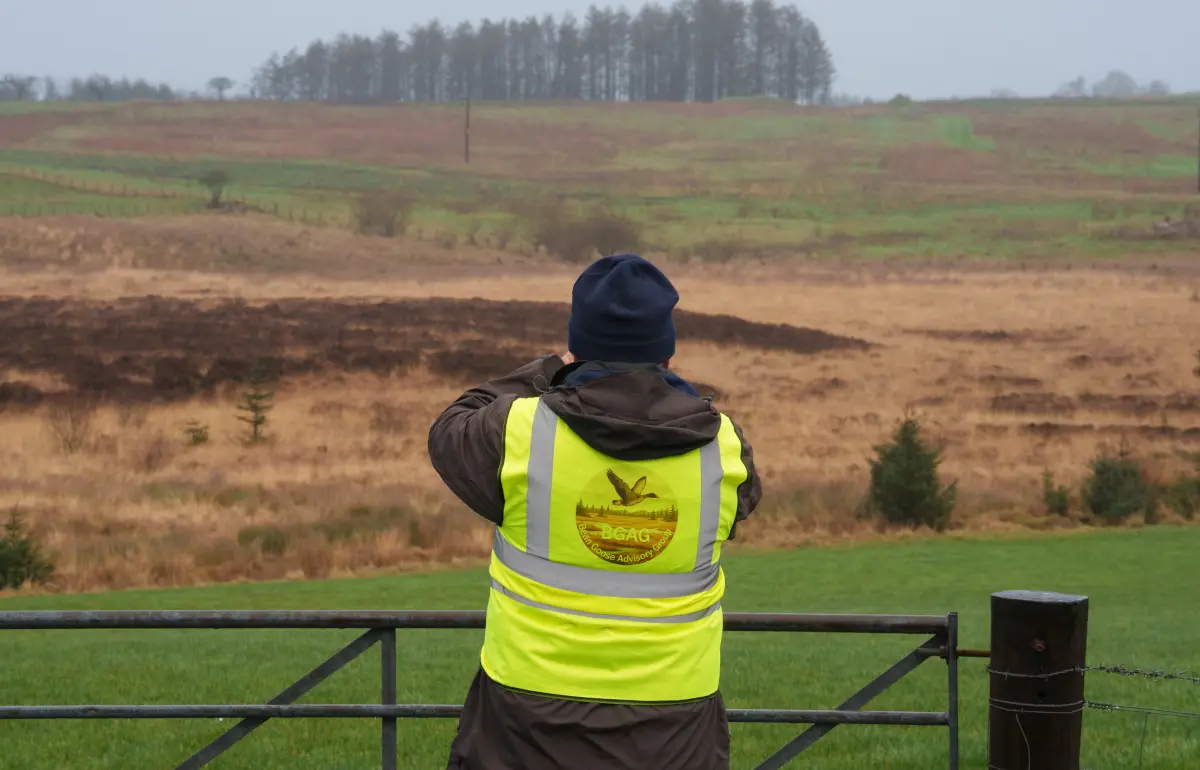
If you ever find yourself on the Slamannan Plateau in winter, you might catch a unique sight—the Taiga Bean Goose. These rare birds migrate from Sweden to Scotland, using the peatlands as a crucial stopover. This annual journey is one of the UK’s most extraordinary wildlife spectacles and a testament to the interconnectedness of ecosystems.
To better understand their migration patterns, SP Energy Networks is funding satellite tracking for these geese. This data will not only enlighten conservationists about their journey but also amplify our understanding of climate impacts on migratory species.
Why Community Involvement Matters
It’s inspiring to see how community engagement is woven into the fabric of this project. After all, anyone who has ever stood on the edge of a bog can tell you that these landscapes are not just patches of earth; they’re integral parts of local folklore and identity. When residents come together for something as significant as this restoration, they’re not just repairing soil; they’re reclaiming a sense of stewardship over their environment.
Gill Renwick, SP Energy Networks’ Sustainability Manager, echoed these sentiments: “Restoring these peatlands isn’t just about protecting rare species. It’s about safeguarding a living, breathing part of Scotland’s natural heritage.” This sense of identity reverberates through generations, reminding us of our shared responsibility to protect the natural world.
What Does This Mean for Everyday People?
Now, you might be wondering: how does this matter to those of us living far from the moors of Scotland? The truth is, the effects of climate change are global. Every restoration project contributes to a mosaic of efforts worldwide. The carbon sequestered in these peatlands isn’t just beneficial for Scotland; it has global repercussions. When we preserve biodiversity, we’re also enhancing the resilience of our ecosystems against climate change—something that affects us all, from the townsfolk in Falkirk to the city dwellers miles away.
The Bigger Picture: Climate Change and Biodiversity
The initiative at Slamannan Plateau is not just a localized project; it symbolizes a crucial step in combating climate change. As we face increasingly severe weather events, the project’s emphasis on healthy peatlands aligns with a broader understanding of ecology—every action counts.
According to recent studies, peatlands globally store around one-third of the world’s soil carbon, meaning that restoring them could significantly mitigate climate change. This initiative shines a spotlight on the interconnectedness of biodiversity, community engagement, and broader environmental health. It compels us to ask ourselves: what can we do in our own communities to support such efforts?
Looking Ahead: The Road to Recovery
With a vision that stretches into the next four years, the Slamannan Plateau restoration project represents a critical and hopeful endeavor. Not only are they reviving a deteriorating ecosystem, but they’re also building a framework for community involvement that could serve as a model for similar initiatives. It’s a wake-up call for us to recognize the potential within our own neighborhoods—whether it’s starting a community garden, participating in local clean-ups, or advocating for environmental policies.
As this journey progresses, I’m reminded of a similar initiative in my own town, where a community banded together to revitalize a local wetland. The transformation didn’t just change the landscape; it transformed us. It built bonds, fostered understanding, and sparked a movement that continues to grow.
Conclusion: It’s About More Than Just Nature
Restoring the peatlands of the Slamannan Plateau isn’t merely an environmental project; it’s a clear message about our collective responsibility to the Earth. It demonstrates that local action can indeed have global implications. As we cheer on this initiative, let’s take a minute to reflect on our own spaces and what we can do to foster balance and harmony. After all, every small effort counts. What will you do in your community to support the fight against climate change? The time to act isn’t tomorrow; it’s now.