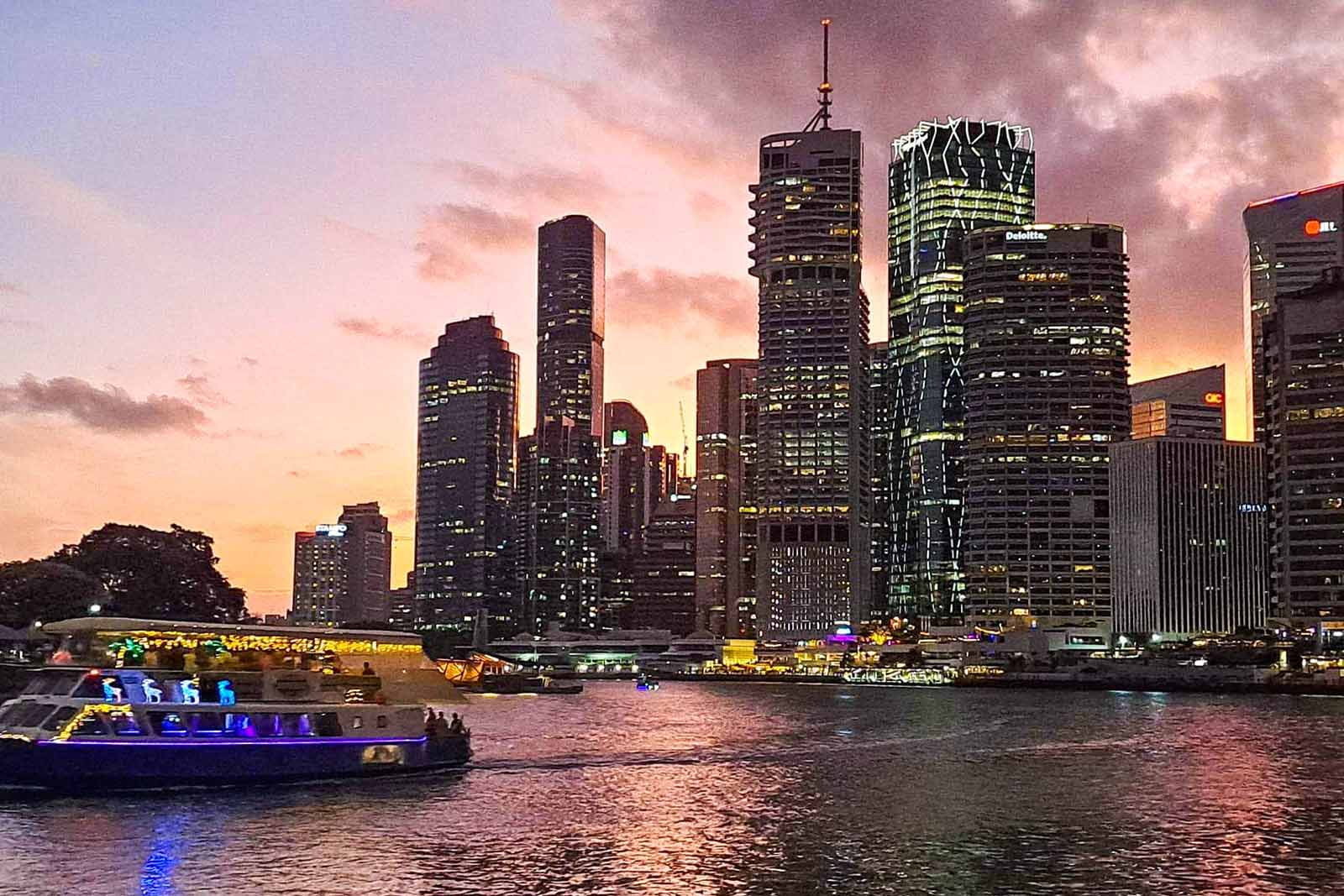
Take advantage of a superb journey to Brisbane to visit and explore some of the world’s most unusual locations. For additional details, continue reading.
Queensland’s metropolis, Brisbane, is renowned for its dynamic vibes, youthful enthusiasm, and nearly 280 days of sunshine each year. This magnificent city offers a wealth of outdoor activities, making it the ideal vacation spot. Here are some incredible activities Brisbane has to offer.
Have a Fantastic Dinner Cruise on the Brisbane River
A river cruise is one of the greatest ways to take in Brisbane’s sights. The Brisbane River runs through the center of the city, and several locations along its banks are well-known for their breathtaking beauty. Join a Brisbane river dinner cruise in the evening to experience the city from a unique and romantic perspective while admiring the amazing lights and sights of the lit skyline. Also, a delectable dinner is provided on board to fit the ambiance and the situation. To ensure a special evening, reserve your dinner cruise in Brisbane right now.
Check out Mount Coot-tha
The best city views of Brisbane may be seen by driving up to the Brisbane Lookout Mount Coot-tha. Enjoy the breathtaking view of the entire city, which includes distant buildings and a walking path that winds through a green national park. You can go to one of the nearby eateries to enjoy a delectable lunch while taking in the breathtaking scenery. In the evening, a lot of people and visitors go to Mount Coot-tha to take in the breathtaking sunset and night views. The overlook is close to the well-known Brisbane Botanic Gardens, making a garden tour an ideal complement.
The Brisbane Wheel
The Wheel of Brisbane is one of the numerous thrilling Brisbane attractions, and it is located on the SouthBank. In 2008, it was constructed to mark Queensland’s 150th anniversary. One of the most popular tourist destinations in the South Bank is this enormous Ferris wheel. Take a thrilling 10- to 12-minute spin on the wheel at any time of day for a stunning bird’s-eye view over the city and the river area. You may find plazas, parklands, and promenades on the South Bank. The city invites people from all parts of the city and neighboring states to some spectacular events and movie screenings during festive occasions.
Climb the Story Bridge
The elegant steel Story Bridge, one of only three bridge climbs in the world, is one of Brisbane’s most well-known monuments. Anyone above the age of 10 and adults of all fitness levels can participate in this activity. You will be 80 meters above the Brisbane River after the two-hour trek, where you will be treated to stunning city vistas. During the climb, professional guides will hold your harness as you lean out over the bridge as you become dizzy from the heights and provide safety demonstrations. Also, after you complete the climb, you’ll get a free group portrait.
Northshore of Eat Street
You can visit this incredible nightlife hotspot, one of the liveliest spots in the city, to taste cuisine from all over the world and enjoy the joyful environment while listening to live music. This area is mainly a pedestrian precinct, making it the ideal place to hang out with your loved ones. Whether you’re in the mood for mac and cheese, a burger, or a Japanese pizza, Eat Street has a variety of cuisines to choose from.
Journey to Moreton Island
One of Queensland’s best-kept secrets, Moreton Island is regarded as the third-largest sand island in the world. The island is an unmatched slice of heaven with lush flora and azure waters teeming with a wide variety of vibrant aquatic life.